For the longest time, video games got a bad rap. They were seen as just a way to switch off your brain, a fun but mindless distraction. But anyone who has lost an entire weekend to building a sprawling city, designing the perfect virtual home, or cracking a mind-bending puzzle knows there’s a lot more going on.

Far from being a distraction, gaming is one of the most powerful and engaging learning tools out there.
And one of the most valuable things games secretly teach us? Its design.
Whether the developers intended it or not, so many of the world’s most popular games are interactive masterclasses. They force you to think like a designer—to solve problems, get creative, and understand how complex systems fit together.
You might think you’re just trying to get to the next level, but you’re picking up the fundamentals of what makes things work well and look good.
Here are five games that are secretly a top-tier design school.
1. Cities: Skylines II — Urban Planning & Systems Thinking
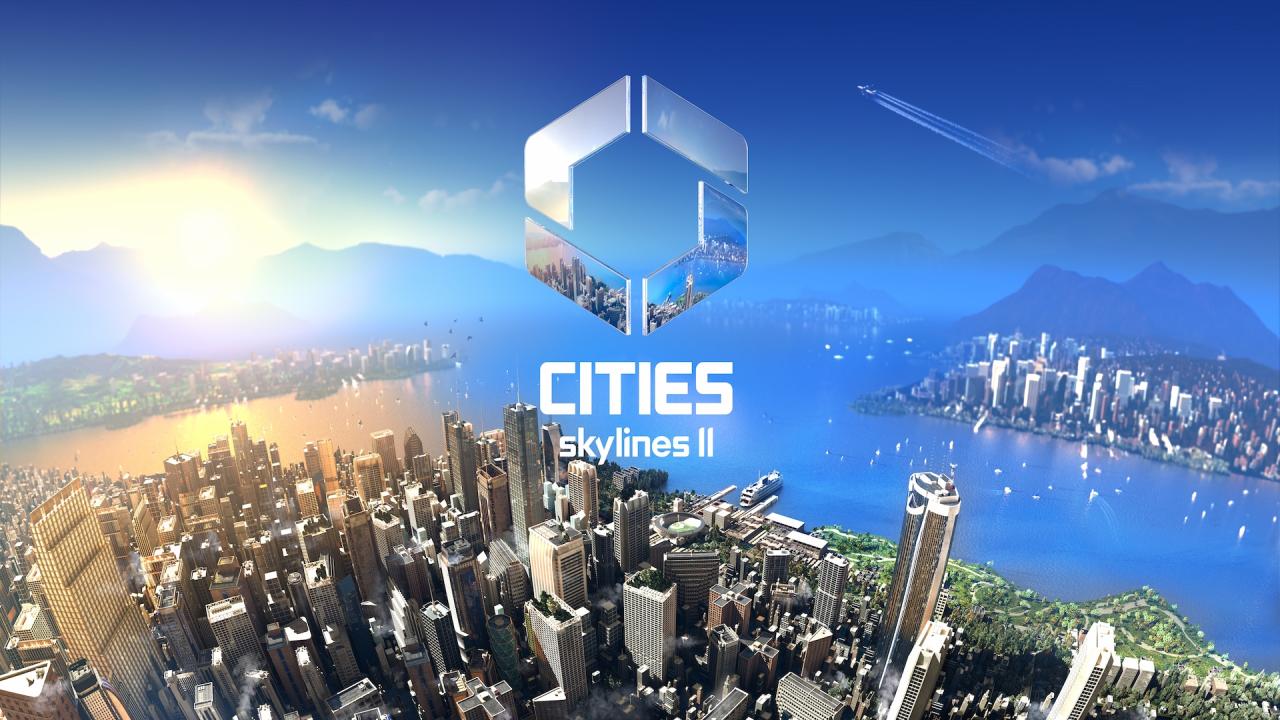
Anyone who’s played a city-builder like Cities: Skylines II knows the incredible high of watching a tiny town blossom into a thriving metropolis. But they also know that soul-crushing moment when the entire city grinds to a halt in a traffic jam of your own making.
This is where you learn about systems design and urban planning the hard way.
You can’t just throw down roads and buildings; you have to think about how everything connects. You learn about road hierarchy, the importance of public transit, and the ripple effects of one bad decision—like placing a polluting factory where the wind will carry the smog right over your new suburbs.
It’s a crash course in the massive, interconnected challenges that real city planners wrestle with.
2. Minecraft — Architecture and Spatial Awareness
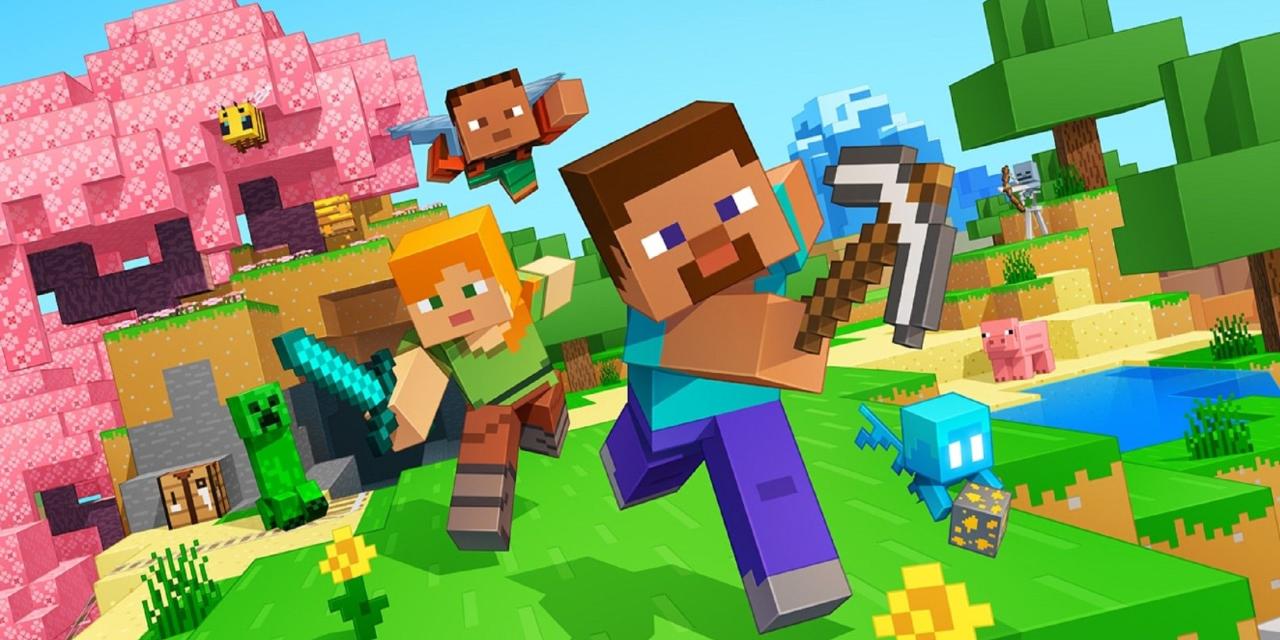
Minecraft is a cultural phenomenon for a reason—it’s a near-infinite design tool disguised as a game. With a world made of simple blocks, it teaches the fundamentals of architecture and spatial awareness. You’re forced to think about form, scale, and function.
Ever spent an hour just trying to get a roof to look right? That’s an architectural problem. How do you build something that’s not just cool-looking but is also safe from Creepers? That’s functional design.
You learn about materials, texture, and how to bring an idea from your head into a tangible (well, virtual) reality.
3. Portal 2 — Mastering UX Design Without the Boredom
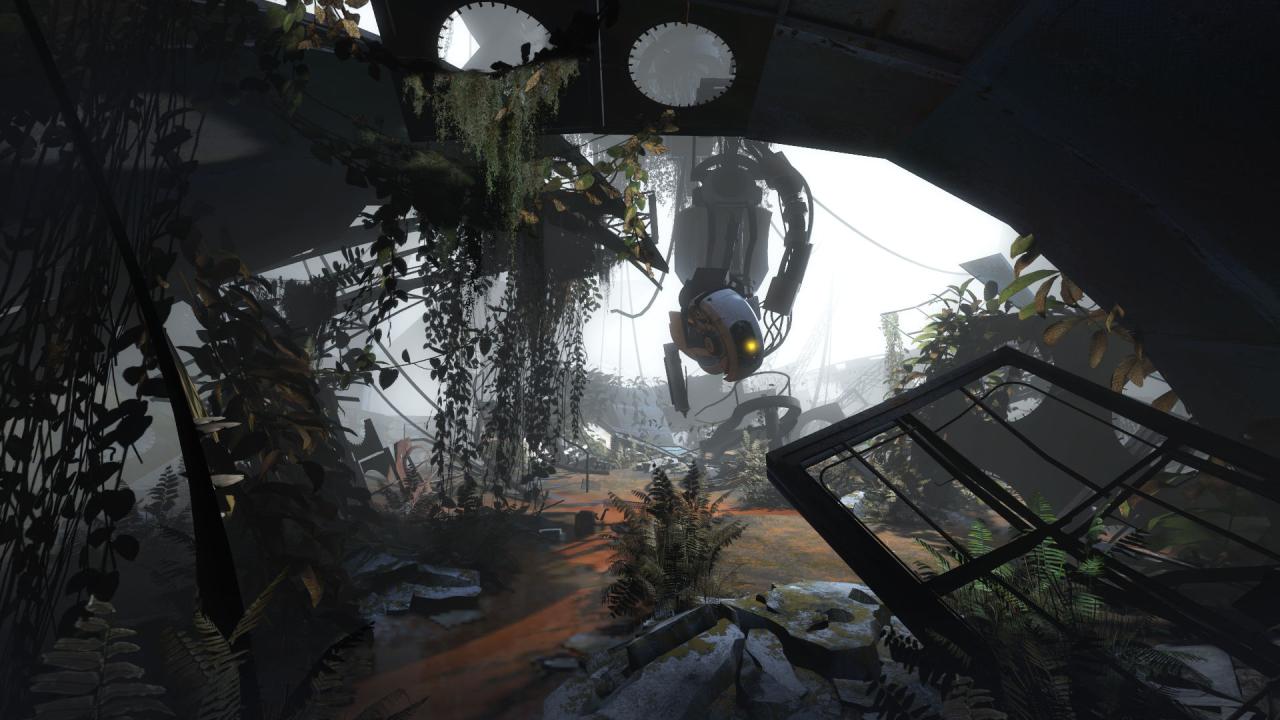
Portal 2 is legendary for its quiet genius in teaching players without them ever feeling taught. It’s a masterclass in user experience (UX). The game never stops making you read a boring wall of text.
Instead, its “invisible tutorial” introduces one new idea at a time in a safe little puzzle box, letting you experiment and figure out the rules for yourself.
When a new element appears, the level is designed to nudge your curiosity in the right direction until you have that “aha!” moment. It’s the gold standard for good UX, showing how to guide users intuitively instead of just giving them a manual.
4. The Sims & House Flipper — Interior Design in Action
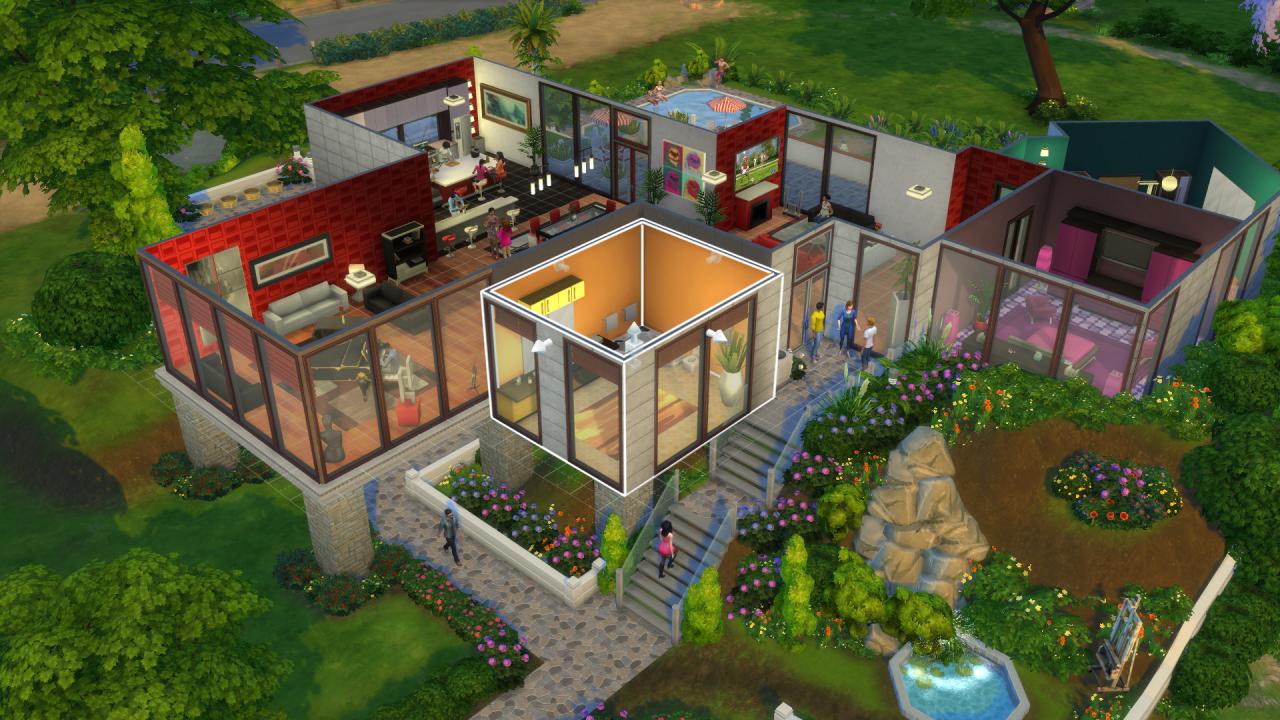
For anyone who loves decorating, games like The Sims and House Flipper 2 are the ultimate low-stakes sandbox.
They are fantastic teachers of interior design and space planning. You get to play with endless combinations of furniture, colors, and layouts to see what works and what just… doesn’t. You learn how different styles create different moods and, crucially, you often have to do it all while sticking to a budget.
That mix of creative freedom and real-world constraints is the very essence of interior design.
5. What Remains of Edith Finch — Environmental Storytelling
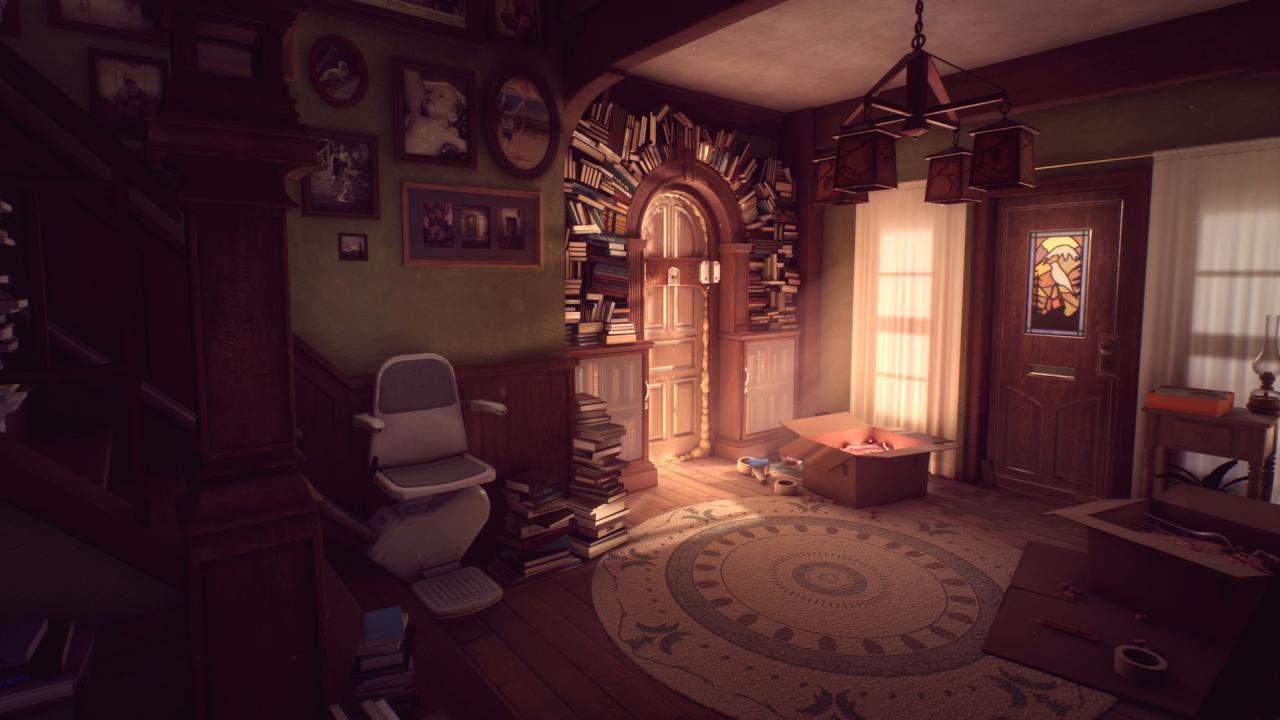
Sometimes, the best stories aren’t told through words, but through the environment itself. In a game like What Remains of Edith Finch, every object feels like it was placed with a purpose.
The state of a room, the notes left on a desk, the way the light hits a photograph—it all works together to tell you about the people who lived there, often more powerfully than words ever could.
This is environmental storytelling, and it teaches you how to “read” a space and understand its narrative. It’s a skill that applies everywhere, from museum exhibits to retail stores.
So, the next time you’re deep in a gaming session, take a second to look around. You’re not just playing; you’re learning. From the layout of a menu to the design of a building, games are constantly showing us what works, what doesn’t, and why. And those skills are surprisingly valuable long after you’ve put the controller down.