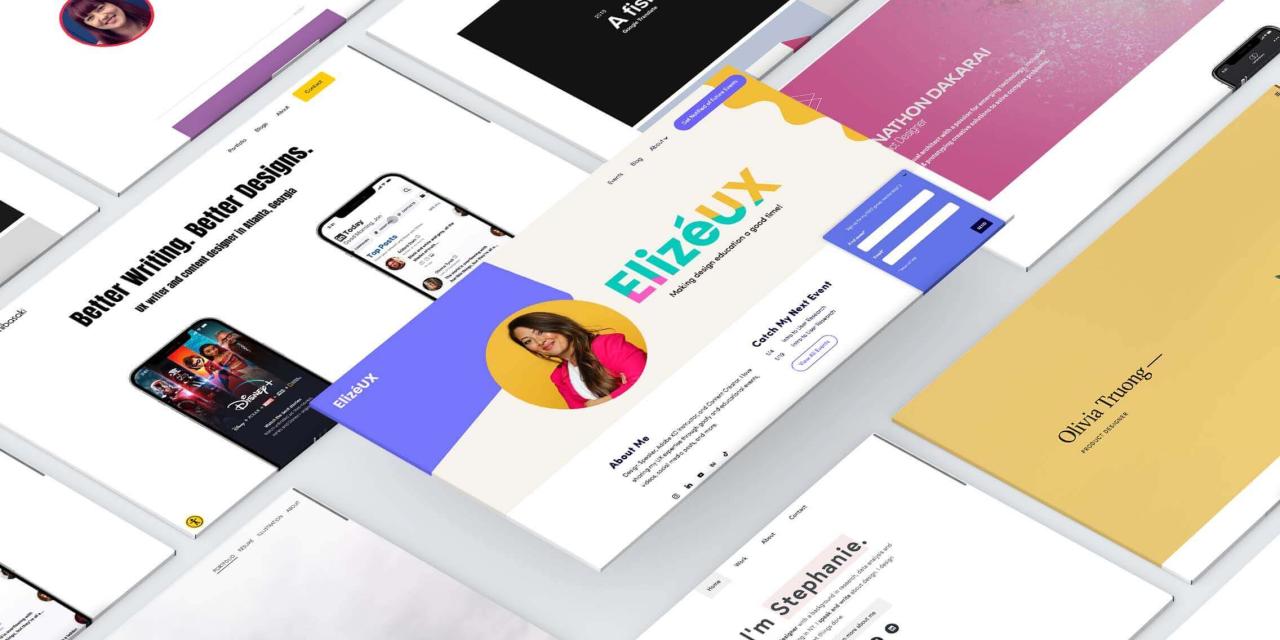
In today’s visual age that dictates our online lives, a cohesive design portfolio that weaves can both make and break your chances of getting your dream job. In 2025, with shorter attention spans and highly discerning design sensibilities, your portfolio is no longer a repository of your previous works—it’s a calculated storytelling device that highlights your problem-solving creativity, technical competence, and professional self.

So what exactly do recruiters want to see in a modern design portfolio? And how do you build one that truly impresses?
Let’s dive into the essentials, platform choices, and presentation tips to turn your portfolio into one that gets you hired.
1. Choose the Right Platform for Your Aesthetic
The platform you are using says a lot about you as a designer. In 2025, these are the top-performing portfolio platforms—each with their advantages:
- Behance: Clean, professional-level presentation best. Great for UI/UX, branding, and motion graphics.
- Dribbble: Concept concepts and visual bits best. Excellent for illustrators and freelancers.
- Notion: Simple and versatile. Best for multi-disciplinary designers requiring ultimate layout and storytelling control. Notion.
- Webflow / Adobe Portfolio: For designers who want to custom-build their site with interaction and animation.
Tip: Choose a platform that aligns with your creative goals and the type of roles you’re targeting.
2. Curate, Don’t Dump: Quality Over Quantity
Recruiters don’t have time to sort through a dozen good projects. Pick a set of 4–6 of your absolute best, most relevant work, and, for each, create a mini case study. For each project, include:
- The problem or brief
- Your role in the project
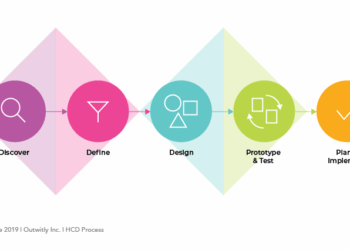
- The design process (from research right up to final implementation)
Visuals: wireframes, iterations, final product
Outcome: metrics, feedback, or impact
This narrative format to your portfolio makes it more memorable and engaging.
3. Show a Range—But with Consistency
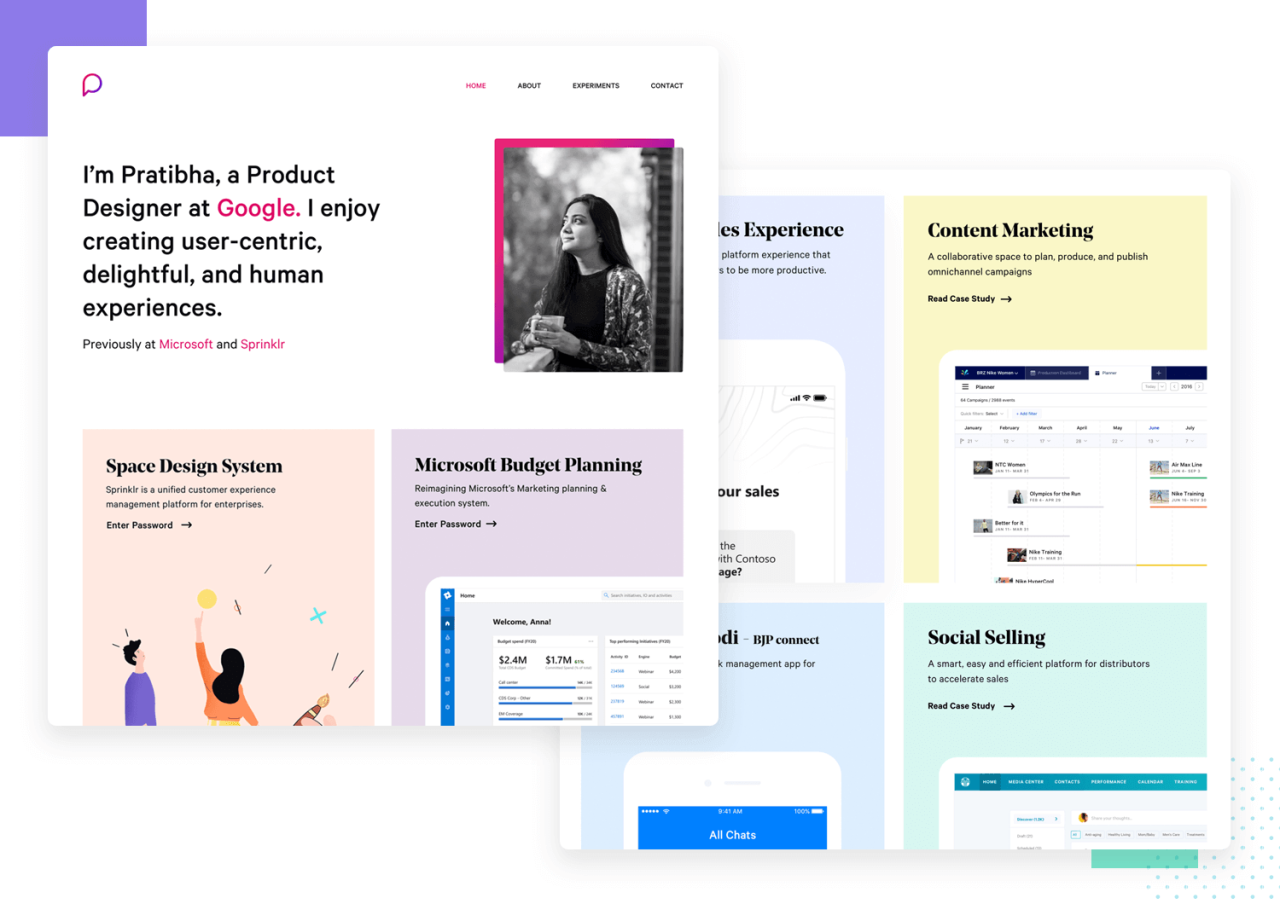
While it’s great to demonstrate versatility, your portfolio cannot be inconsistent. Use uniform:
- Color scheme on backgrounds and typography
- Typography on case studies
- Layout design (grid, spacing, margins)
Also, always customize your portfolio for the niche you are targeting—either branding, UI/UX, packaging, or motion graphics.
4. Personal Projects Matter—More Than You Think
In 2025, employers value passion projects, especially those that show initiative and creative problem-solving. Concept redesign, imaginary brand, or independently created app prototype – these speak more about your potential than client work.
Develop a section titled “Creative Explorations” or “Experimental Work” to present these.
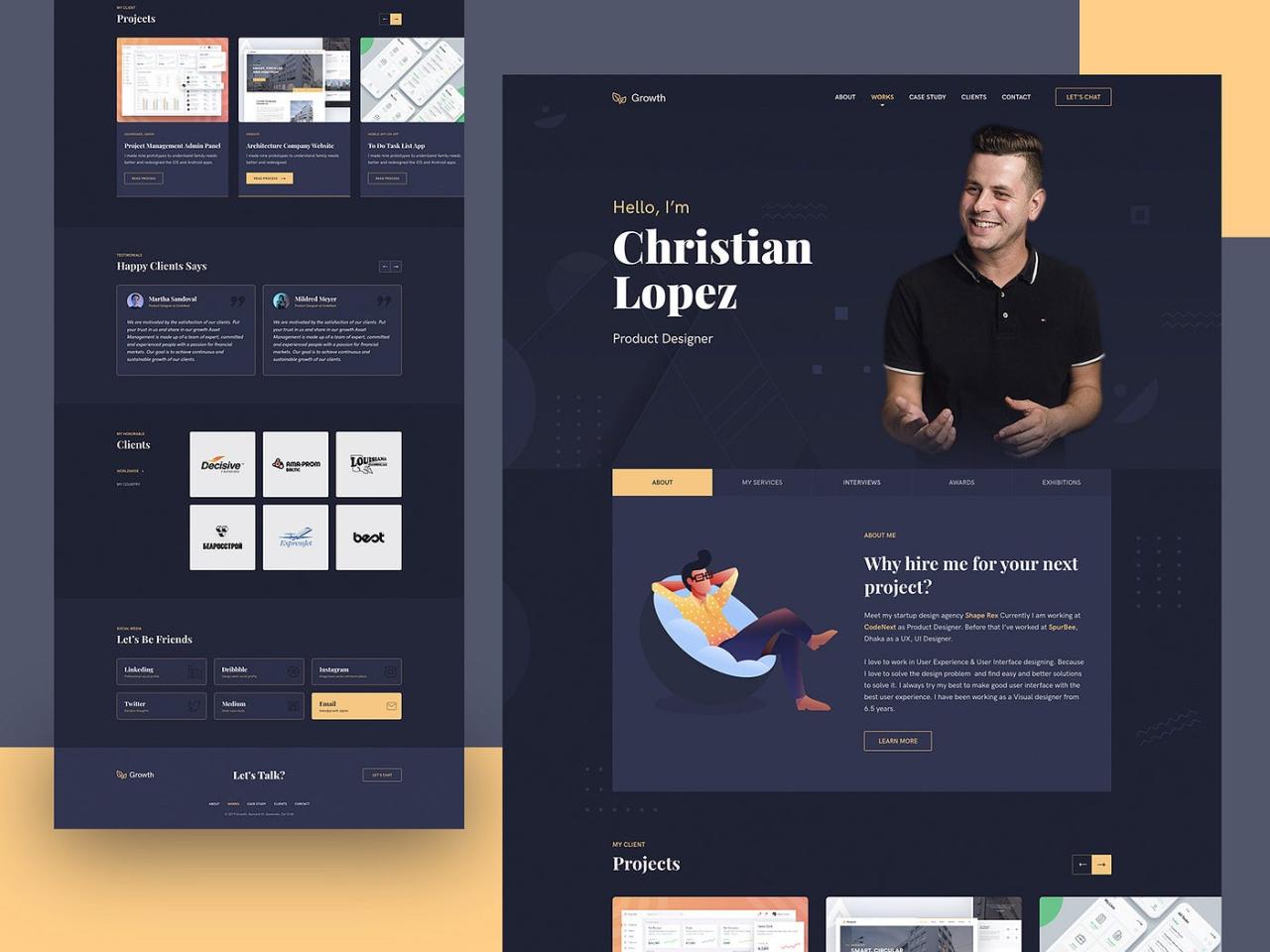
5. Have a Strong “About” Section and Contact Information
Your portfolio is also your own brand website. Make sure you have:
- A short, interesting bio (who you are, what’s important to you, what you do best)
- A downloadable resume (PDF, one-pager preferred)
- LinkedIn, Instagram (if relevant), and email links
Optional: client testimonials or references
A great “About Me” section builds rapport and shows that you’re not just an incredible designer—you’re also someone other people will love working with.
6. Search and Recruiter Visibility
If your portfolio is online (especially if it’s on Webflow, Notion, or a custom domain), SEO-optimize it:
- Add relevant keywords like “UI/UX Designer Jakarta 2025” or “Brand Identity Specialist“
- Add meta descriptions for each project
- Add alt text for images
It makes your work more likely to be discovered organically on Google or design job boards.
7. Make It Mobile-Friendly and Fast-Loading
Recruiters would rather see portfolios on their tablet or phone. A slow, heavy website will cost you an opportunity. Optimize images, responsiveness test, and trim unnecessary animations.
8. Update and Periodically Make It Relevant
Finally, your design portfolio is a living document. Set an alert in your calendar to update it every 3–6 months. Remove stale work, add new accomplishments, and adjust your bio as you grow professionally.
Your Portfolio Is Your First Interview
Your online portfolio is your first impression, pitch deck, and resume all rolled into one in the cutthroat design industry of 2025. By choosing the suitable platform, crafting great case studies, and presenting them confidently and briefly, you dramatically improve your chances of impressing recruiters and landing that interview.
So do take as much time making your portfolio as you would client work—because in this business, your work actually speaks for you.