Go ahead, picture the first car you drove regularly. Can you still feel that dashboard? The solid thunk of the glovebox, the satisfying click-click-click of the A/C knob, and that warm, orange glow from the speedometer needle.

Everything had a purpose. A button did one thing, and it did it well. It was straightforward, and after a week, you could control the radio and wipers purely by feel, your eyes never leaving the road.
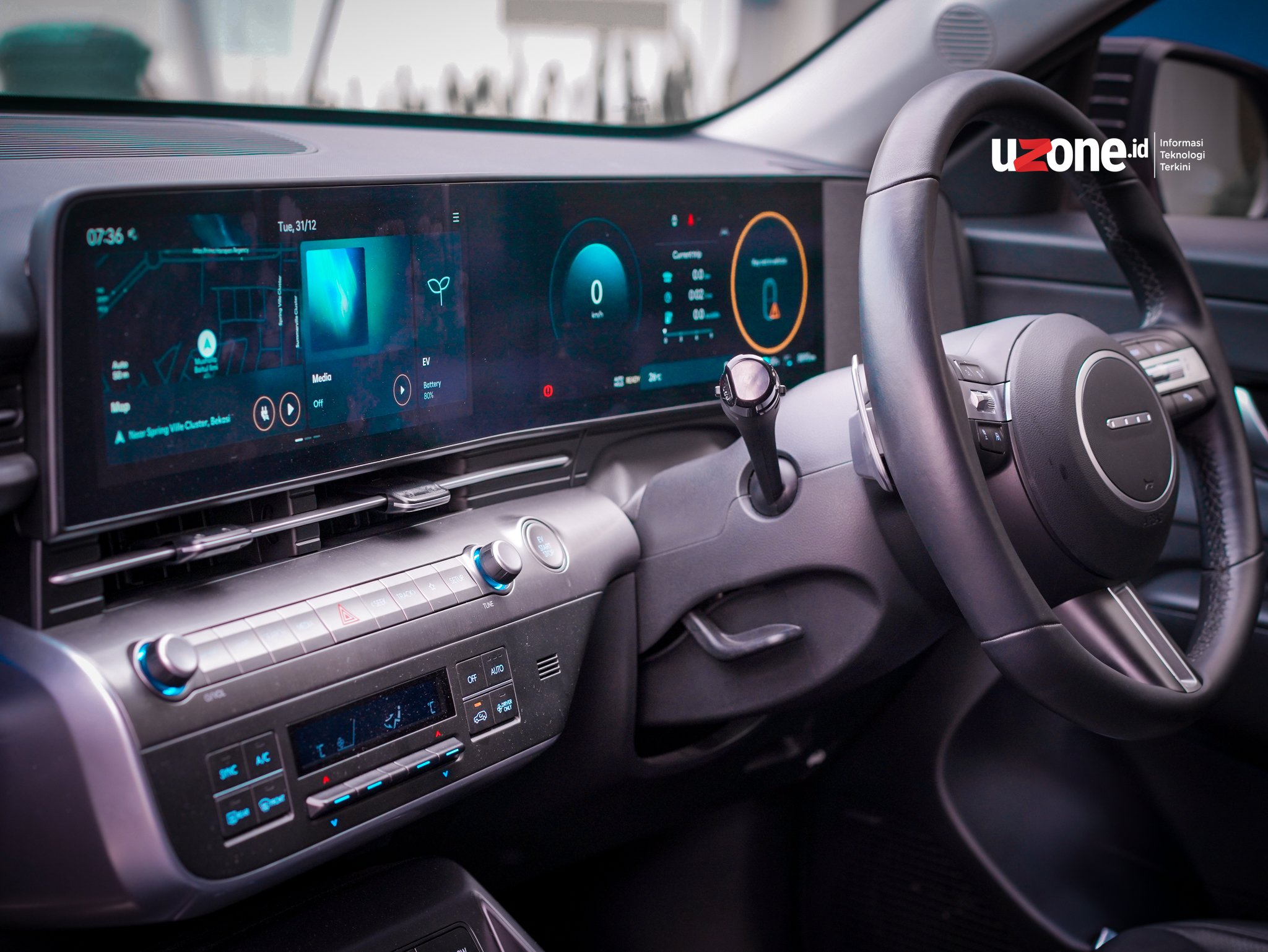
Now, jump into a car rolling off the lot today. Those trusty knobs and buttons? Mostly gone, swapped out for massive, shimmering sheets of glass.
The instrument cluster isn’t a cluster at all anymore; it’s a vibrant HD screen that can morph from a 3D map to your Spotify playlist in a heartbeat. This isn’t just a facelift.
It’s a complete overhaul of how we interact with our cars, a user experience (UX) revolution that has turned the dashboard into a sprawling “digital cockpit.”
When Simple Was Genius
For the longest time, car dashboards followed a pretty sacred rule: give the driver the info they need, make the controls easy to use, and above all, don’t be distracting. That was good UX, plain and simple, even if no one was calling it that.
The magic was in the tactile feel of it all. Each button and dial felt different, which is how we all built up that muscle memory. Twisting the volume knob or hitting the hazard button became an instinct.
The whole system just worked because it was designed for a person who was busy doing the most important thing: driving. You never had to hunt through three sub-menus just to get some warm air on your feet.
The Clunky ‘Infotainment’ Years
Then, screens started showing up. And to be honest, the first wave was… rough. Remember those early infotainment systems with touchscreens that lagged, menus that made no sense, and a weird resistance to your touch? It felt like someone had just glued a clunky office computer to the dash and called it a day.
This was the car’s awkward teenage phase. All of a sudden, drivers had to become part-time tech support, jabbing at a screen that barely responded just to find a radio station.
These systems could do more, but they often made things more complicated – and more dangerous – not less. Still, it was a phase the auto world had to go through. It was the messy trial-and-error period that eventually led to the slick, integrated systems we have now.
Enter the Real Digital Cockpit
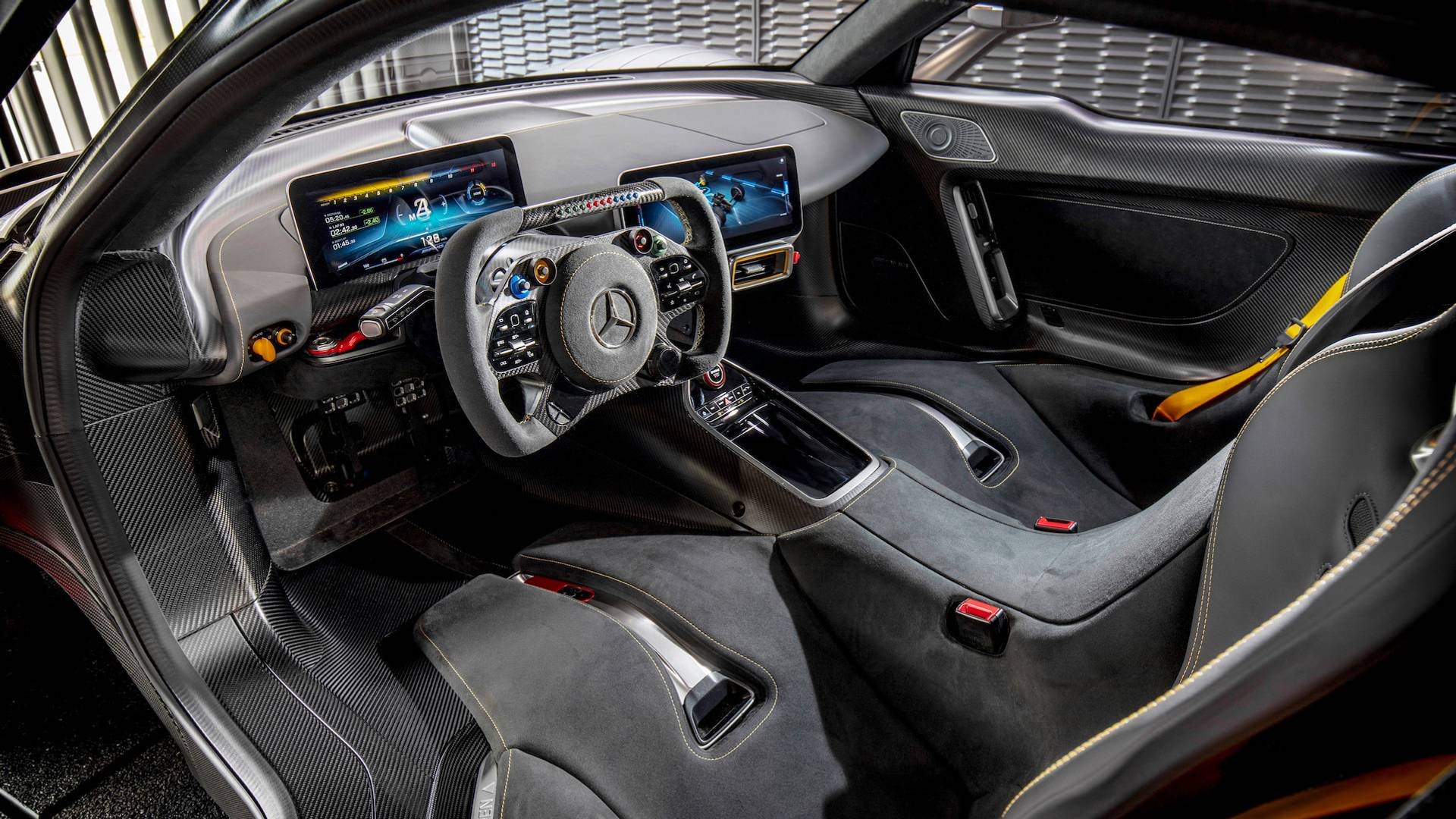
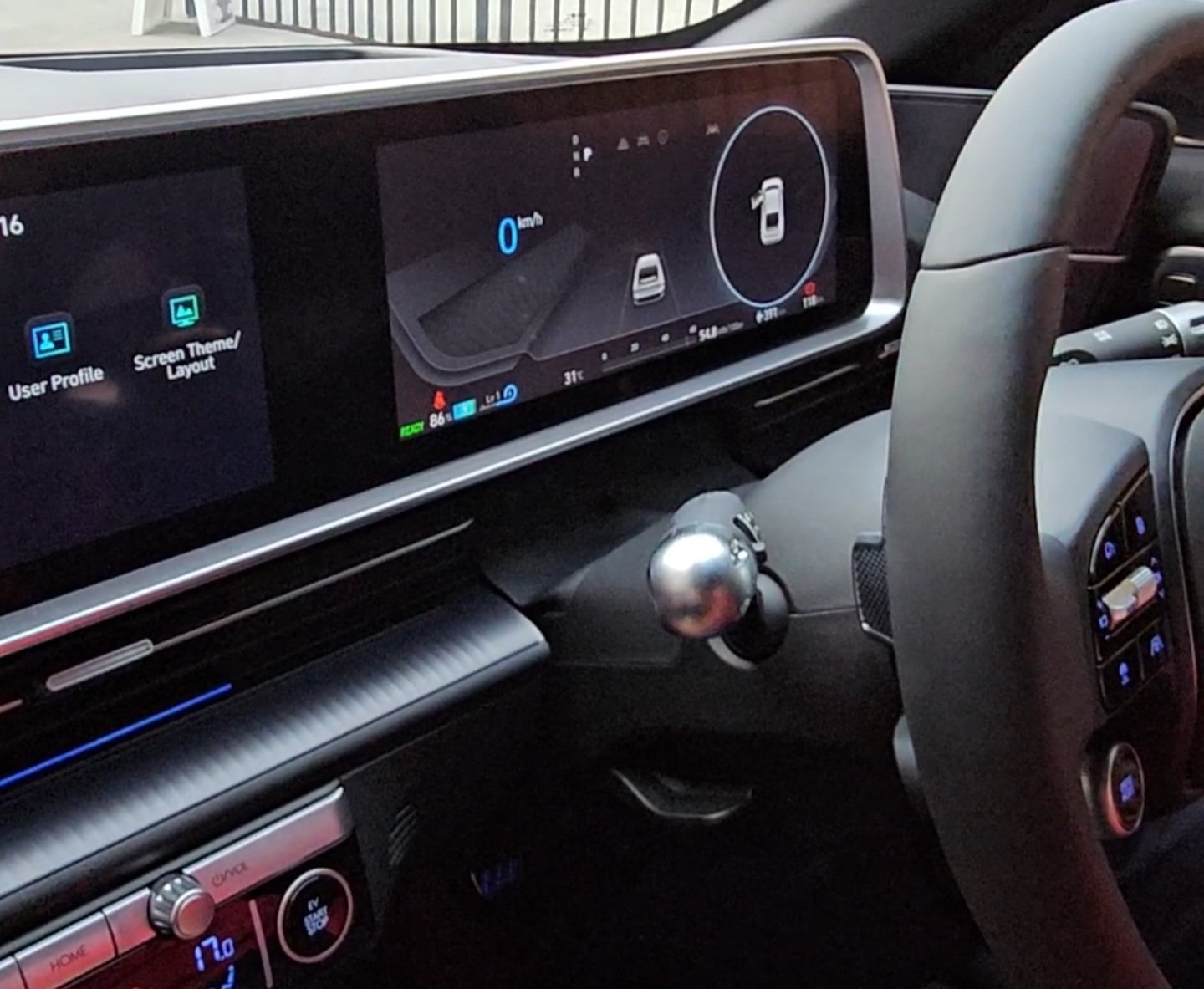
Today’s digital cockpit is a whole different animal. Taking huge cues from our smartphones, car designers started thinking about the car’s interior as one giant, connected brain. It’s no longer a driver’s screen over here and a radio screen over there; it’s all one fluid system.
The best example is how navigation works. The big screen in the middle might show you the bird’s-eye view of the map, while the screen in front of you shows a super simple arrow telling you when to turn. Less eye movement, more safety. It’s all about making the tech fit you, not the other way around. You can customize the displays to show exactly what you care about, whether that’s your car’s efficiency or just a really big, easy-to-read number for your speed.
It’s Not Just About the Screens
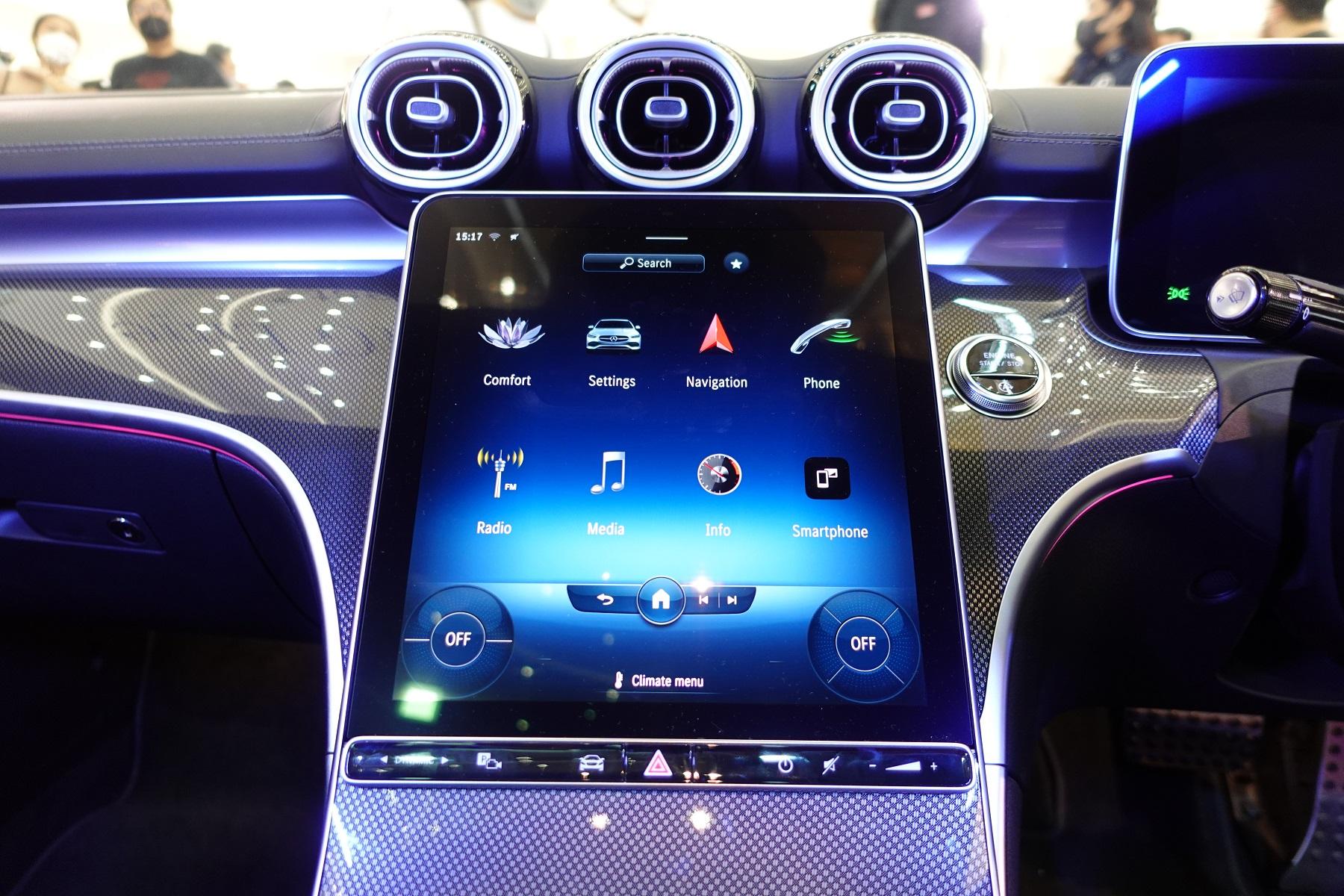
But here’s the thing: the best in-car experiences aren’t just about screens. They’re about using all the senses to make things feel more natural. Voice commands, for instance, have gotten so much better. You can just say, “Hey Mercedes, my hands are cold,” and the car figures out you want the heated steering wheel on. It’s becoming a real conversation.
Designers are also getting clever with haptic feedback, where the screen gives a little kick or vibration when you press a virtual button. It gives you that satisfying confirmation that you actually did something.
And maybe the smartest trend of all? Bringing back a few physical knobs for the important stuff. Everyone is realizing that for changing the volume or adjusting the climate, nothing beats a simple, sturdy dial you can grab without looking.
The Big Challenge: Keeping Our Eyes on the Road
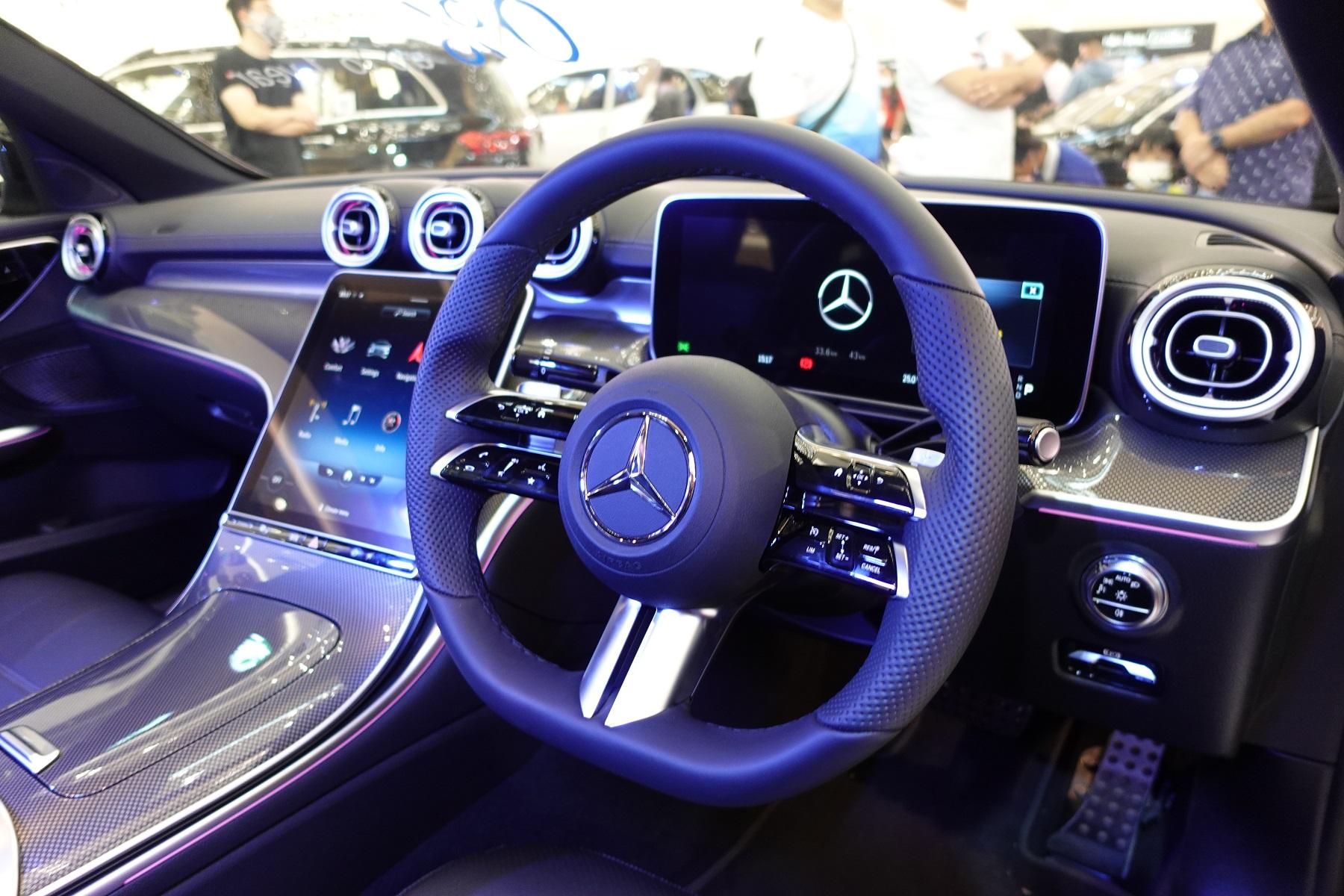
Let’s be honest, though. This digital revolution has a big catch: distraction. When the screen in your car can do almost as much as your phone, the temptation to look away from the road is huge.
This is the tightrope that car designers have to walk every single day. How do you build a system that’s fun and useful when you’re parked, but safe and out of the way when you’re driving at 60 mph?
It comes down to smart design—making buttons bigger at high speeds, hiding notifications, and creating layouts so simple they barely require a thought.
The Road Ahead: Your Car as a Co-Pilot
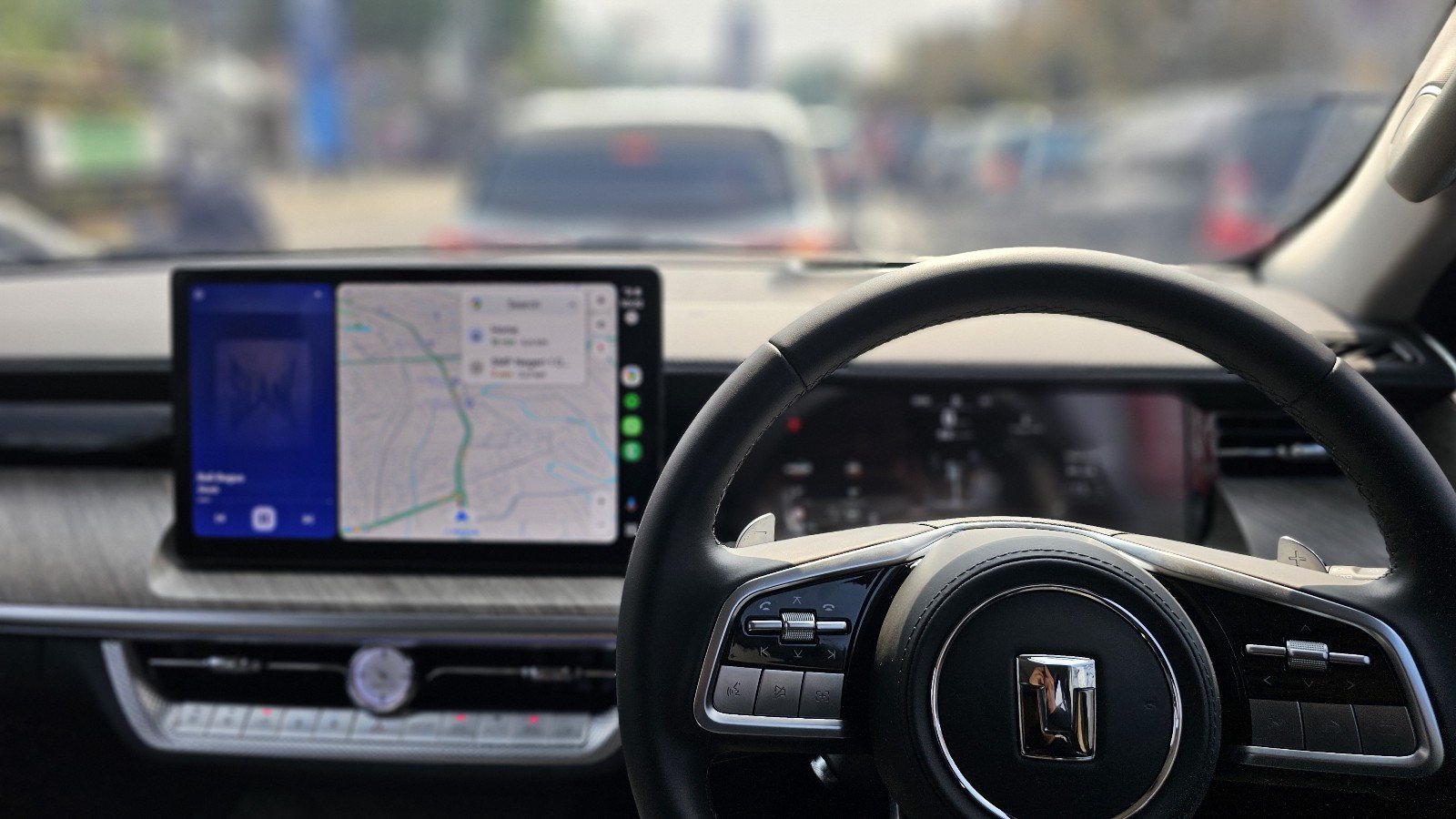
And this ride is far from over. The next chapter is all about making the car even smarter and more immersive. Augmented Reality (AR) is already here, with head-up displays that paint navigation arrows right onto your view of the road. It feels like sci-fi.
Soon enough, AI will turn your car into a true co-pilot that knows your morning routine, cues up your favorite podcast, and finds you a parking spot before you even ask.
And as we creep closer to self-driving cars, the “cockpit” will become a “lounge.” The whole point of the interior will shift from driving to working, relaxing, or bingeing a show.
The journey from that simple panel of dials to an intelligent, connected space is one of the coolest stories happening in tech and design. It’s a revolution that’s not just changing what our cars look like on the inside, but completely rewriting the feeling of being behind the wheel.
What do you think the car interior will look like in 10 years?