Ever bought a trendy gadget that felt obsolete the moment a new one was announced? Or a stylish piece of furniture that started to wobble after a year? For decades, we’ve been living in a “throwaway culture,” where products are designed to be cheap, used for a short time, and then discarded without a second thought. But the tide is turning. A quiet, powerful shift is happening in the world of design.

Sustainability is no longer just a buzzword. It’s now at the heart of sustainable product design, influencing everything from how we source materials to how we dispose of old electronics.
It’s not just about making things; it’s about making things that last, that respect the planet, and that contribute positively to the world.
This isn’t just a trend—it’s a fundamental redefinition of what “good design” actually means in the 21st century.
Want to know how brands are applying these principles in real life? Explore this article to dig deeper into the sustainable design revolution.
Beyond ‘Less Bad’: The Real Meaning of Sustainable Design
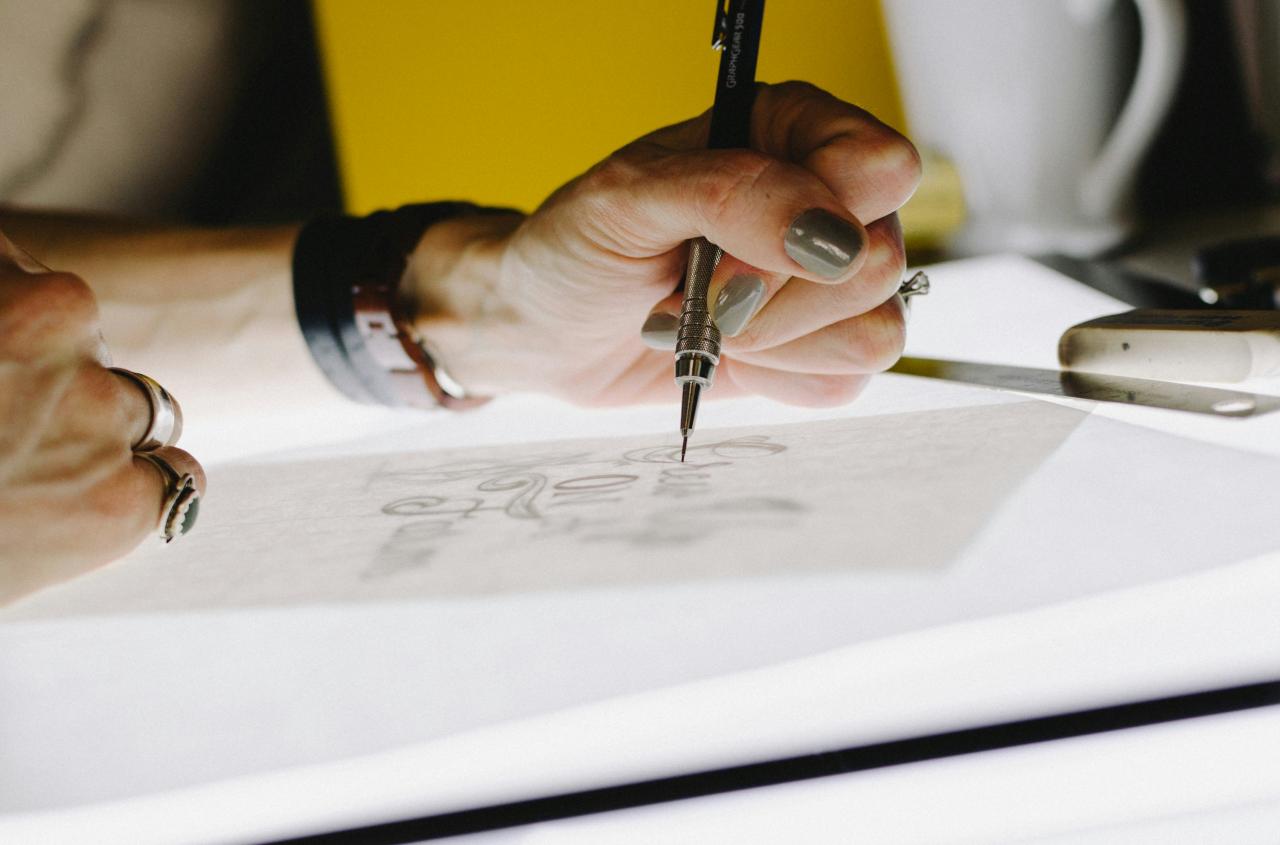
For a long time, “eco-friendly” design just meant using recycled materials or making a product slightly more energy-efficient. It was about being “less bad.” But the new wave of sustainable design is far more ambitious. It’s a holistic approach that looks at a product’s entire journey, from beginning to end, and back again.
Designers are now thinking about the entire lifecycle. Where do the raw materials come from? Are they sourced ethically? How much energy is used to manufacture the product? How is it packaged and shipped? How can it be used and repaired by the customer?
And, most importantly, what happens when it’s no longer needed? Instead of a one-way ticket to the landfill, designers are creating roadmaps for a product’s next life.
The Circular Economy: Closing the Loop
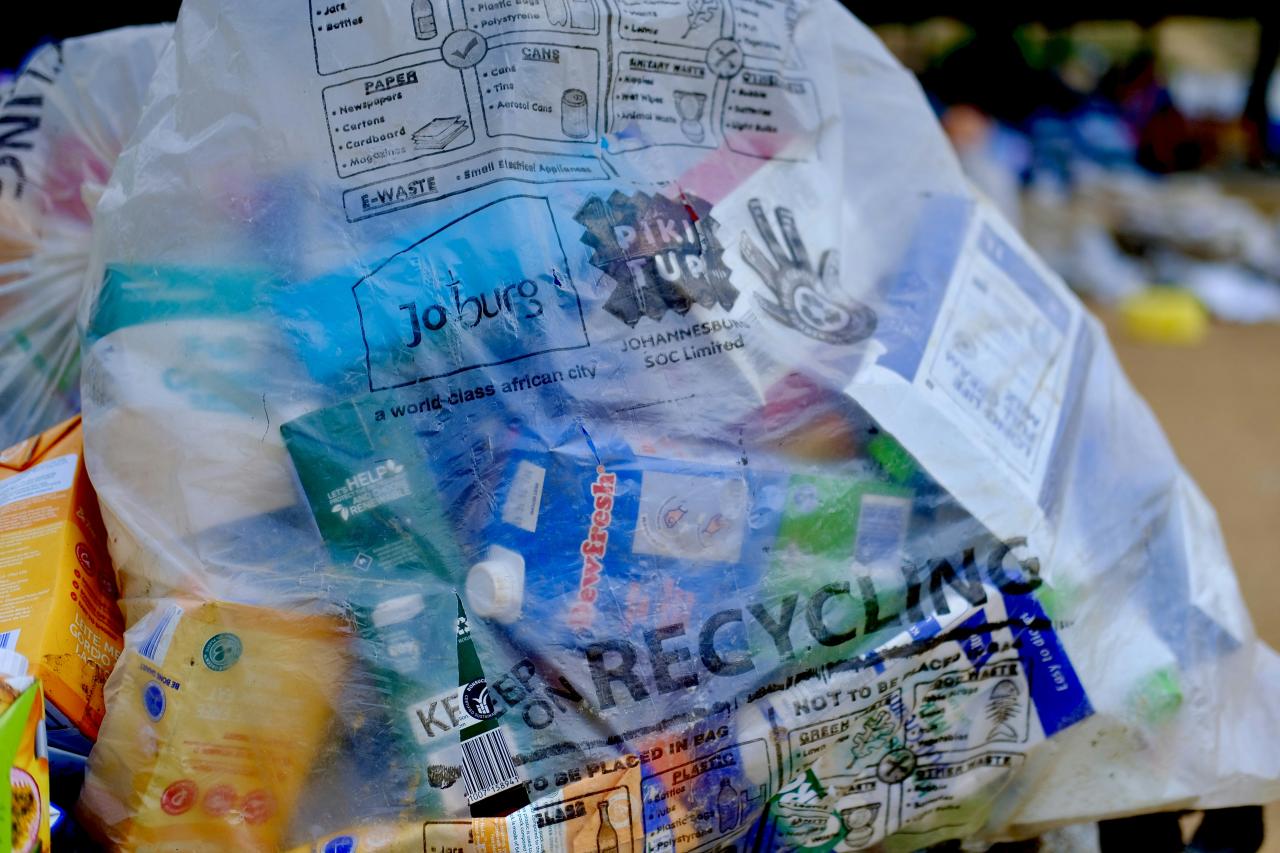
The biggest idea driving this change is the circular economy. It’s a direct challenge to the old, linear model of “take, make, waste.” In that system, we extract resources from the earth, create something, use it, and then discard it. The circular economy, on the other hand, is designed to be restorative and regenerative, just like a natural ecosystem.
Think of it like a forest, where a fallen tree decomposes and provides nutrients for new growth. Nothing is wasted. In product design, this means creating things that can be:
- Repaired: Making products easy to take apart and fix. A phone with a battery that can be easily swapped out is a great example. This is a direct fight against “planned obsolescence”—the frustrating practice of designing products to fail.
- Reused: Giving a product a second or third life. This could be a durable glass container designed for countless refills, or modular furniture that can be reconfigured as your living space changes.
- Recycled (Properly): Designing products from a single material (monomaterials) or in a way that makes them simple to disassemble, so their components can be effectively turned into something new.
Materials That Matter: The Building Blocks of Better Products

You can’t build a sustainable product with unsustainable materials. That’s why a huge amount of innovation is happening in material science. Designers now have a growing palette of incredible, eco-conscious options to work with.
We’re seeing packaging made from mushrooms or seaweed that can be composted in your backyard. There are durable textiles made from recycled plastic bottles, beautiful leathers grown from plant cells in a lab, and building materials created from agricultural waste.
This isn’t just about swapping plastic for bamboo. It’s about a deep investigation into the carbon footprint, water usage, and end-of-life potential of every single component that goes into a product.
Durability is the New Luxury
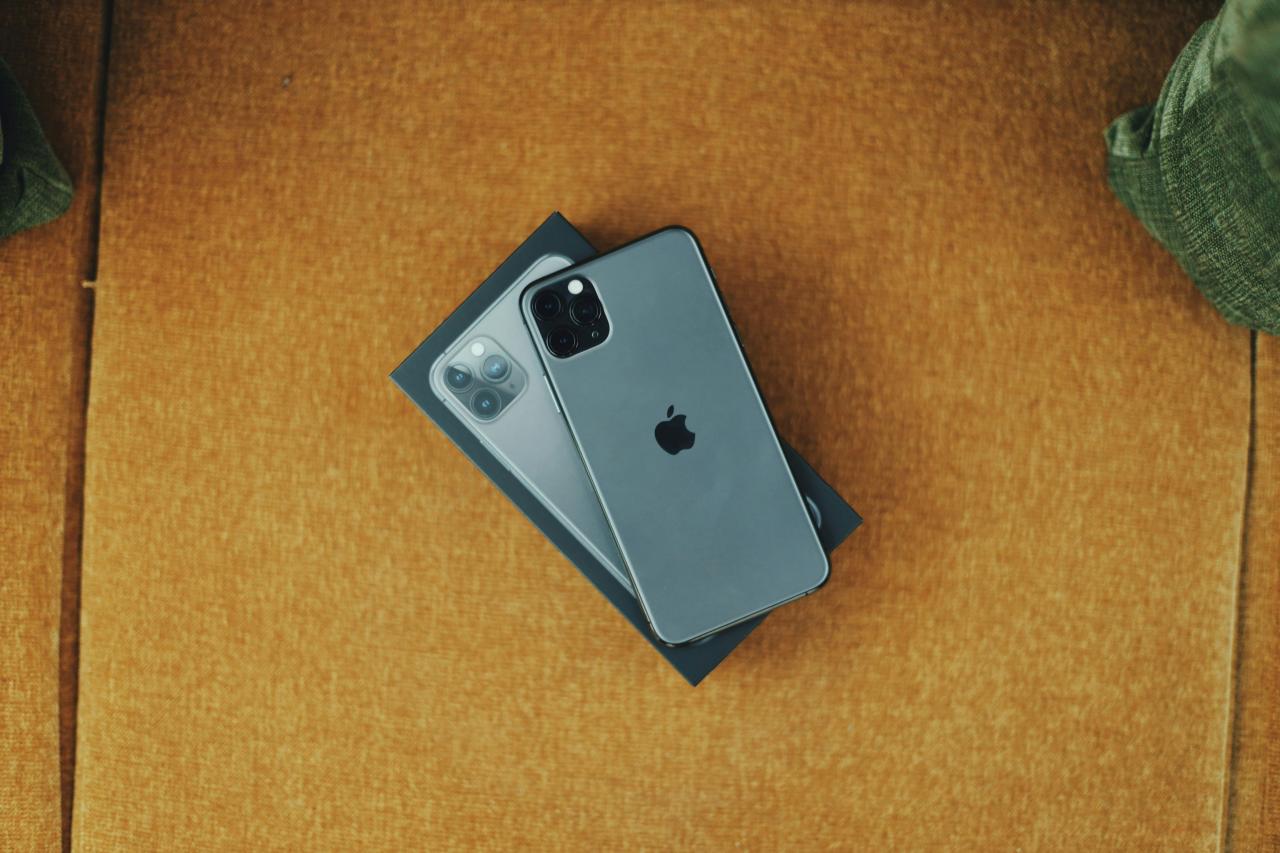
For years, companies pushed the idea that “new is always better.” Sustainable design flips that script entirely. Today, quality and longevity are the ultimate features. A product that is built to last, that gets better with age, and that can be passed down is the new symbol of smart consumerism.
This has given rise to the global “Right to Repair” movement, where consumers are demanding that companies provide spare parts, repair manuals, and tools. Smart brands are listening. They are realizing that building a lasting product also builds a lasting relationship with a customer.
Instead of a one-time sale, they can offer services, repairs, and upgrades, creating a more resilient business model that doesn’t rely on endless consumption.
The Story is Part of the Design
Finally, sustainable design understands that people connect with stories. When you buy a product that is thoughtfully made, you’re not just buying an object; you’re buying into a set of values. The story behind the product—where the materials came from, the community that made it, the problem it solves—becomes part of its appeal.
This is a powerful shift. It elevates a product from a simple commodity to a meaningful possession. The experience of owning it includes the pride of knowing you made a better choice, the satisfaction of being able to repair it, and the connection to a brand that cares about more than just its bottom line.
The future of product design isn’t about flashy, disposable trends. It’s about intention, responsibility, and creativity. The most innovative and beloved products of tomorrow won’t just be beautiful or functional; they will be the ones that are designed with a deep respect for both people and the planet.