Let’s be real: choosing a new smartphone isn’t just about specs. You can scroll through benchmarks all day, but most people choose based on something more personal – how a phone feels, looks, and just… works.

This isn’t just tech—it’s taste. And for years, this decision has come down to a quiet design war between iPhone’s curated simplicity and Android’s wild, personalized freedom.
There’s no correct answer here, but figuring out which philosophy you vibe with can tell you a lot about which phone you’ll end up loving. It’s a story told in metal, glass, and pixels.
So which side of the smartphone design debate are you really on?
The iPhone Way: The Beauty of Simplicity
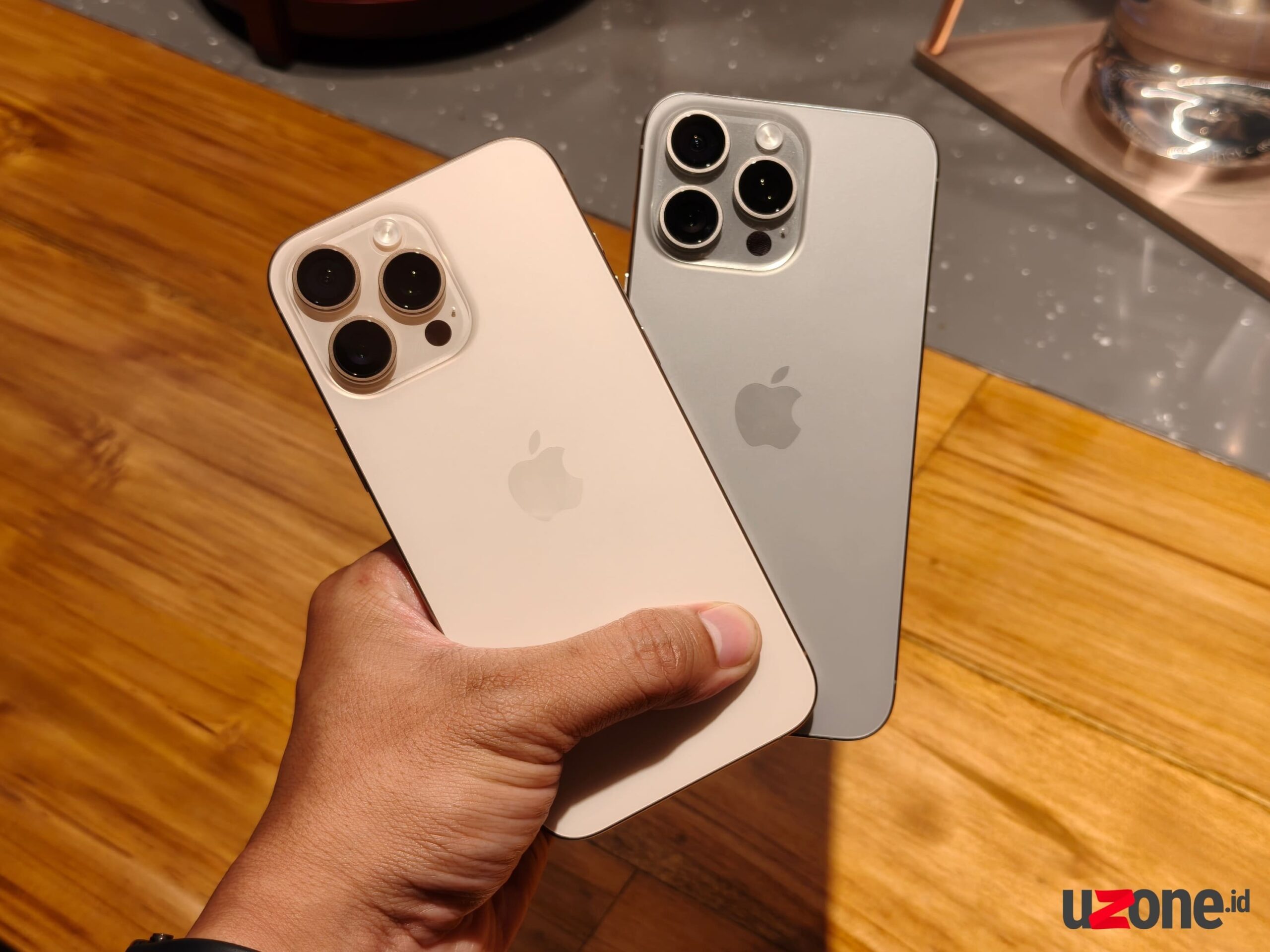
Apple’s design playbook can pretty much be boiled down to one word: control. Every single iPhone, from the base model to the fanciest Pro, is unmistakably an iPhone. That consistent DNA is deliberate. Think of Apple as a high-end fashion house; the collections change each year, but the signature look is always there.
The hardware itself feels like it’s been obsessed over. Apple uses premium materials like titanium and glass, and everything is put together so precisely that the phone feels like it was carved from a single block.
The flat edges, the subtle curves, and that camera layout—it’s all become so iconic that it’s practically a status symbol. When you pick up an iPhone, you know you’re holding a beautiful object that someone has considered from every possible angle.
That same control bleeds right into the software. iOS is clean, the animations are buttery smooth, and it works the same on every single device. That grid of icons and the general lack of deep customization isn’t a flaw; it’s the point.
- Materials: Aluminum, titanium, and glass come together in near-perfect tolerances.
- Form: Flat edges, soft curves, and symmetrical camera arrays make every iPhone instantly recognizable.
- UI Philosophy: iOS embraces simplicity—clean icons, predictable gestures, and buttery animations across every device.
You’re not just buying a phone. You’re buying into Apple’s vision of what should work best—for everyone.
The Android Way: The Power of Personality
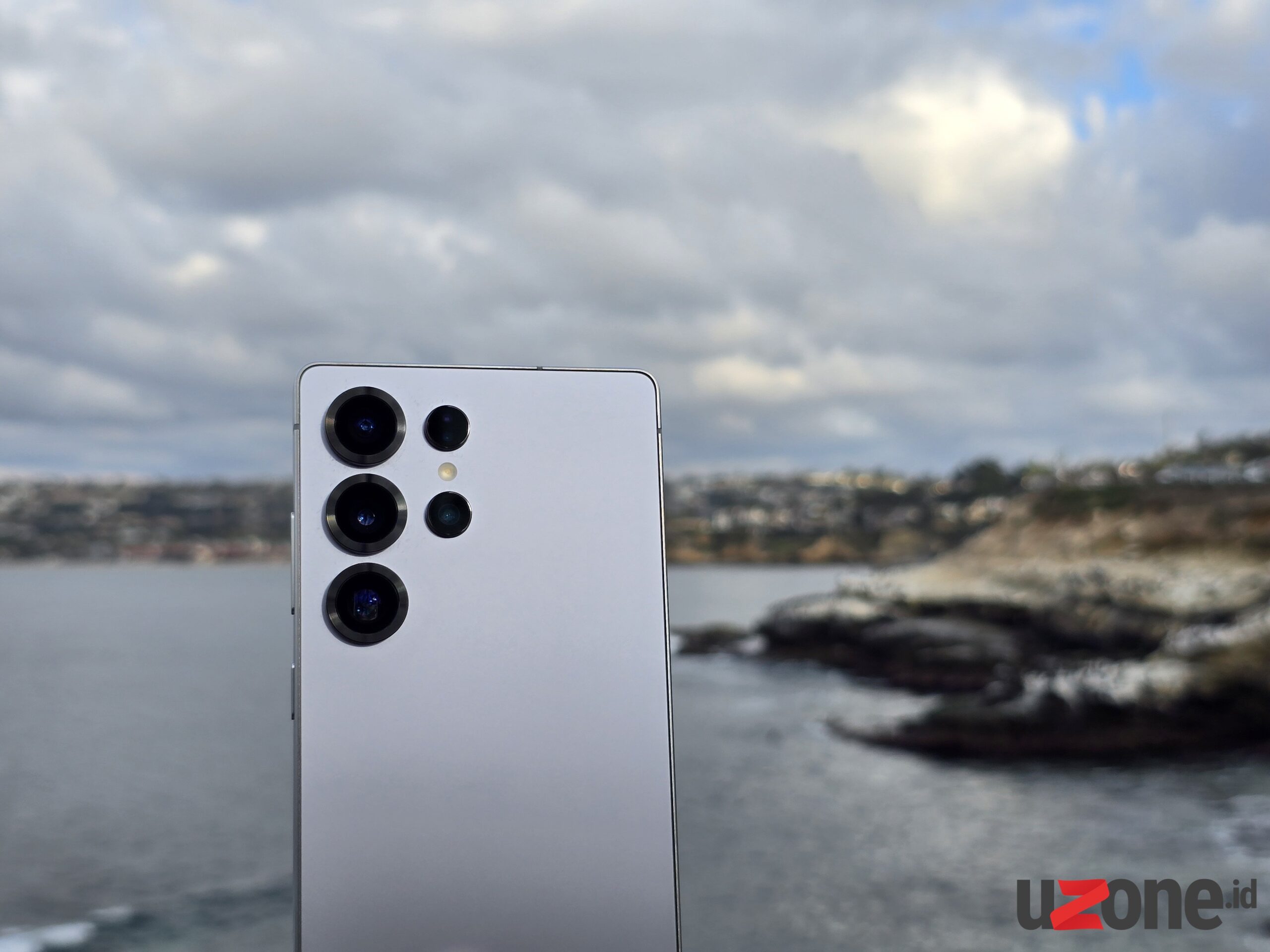
If the iPhone is a curated art gallery, Android is a massive, vibrant street market with something for literally everyone. Android isn’t just one design; it’s a hundred different designs, with every manufacturer putting their spin on it.
And that’s where Android’s real strength shines. You’ve got Samsung, the bold trendsetter, throwing wild colors out there and constantly pushing the boundaries with what a phone can be—they’re the ones who made folding phones a real thing.
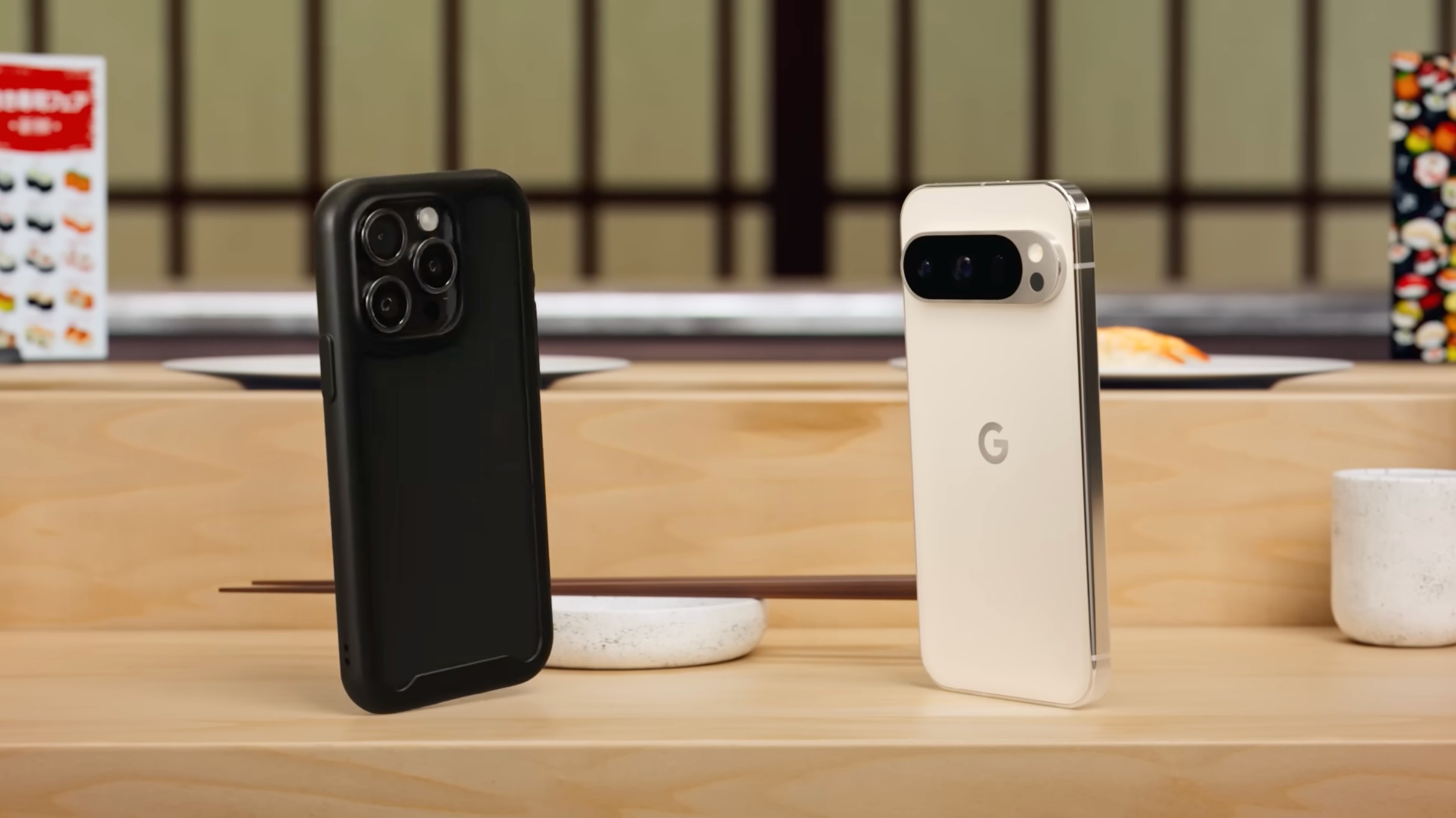
Then there’s Google’s Pixel line, which feels like the “pure” Android vision—often softer, more approachable, with its now-famous camera bar creating a look that’s friendly and unique. And that’s not even mentioning the wildcards like Nothing, which are building phones for tech lovers who want to stand out with transparent backs and astonishing light patterns.
- Brand Diversity: From Samsung’s foldables to Google’s playful Pixel and Nothing’s sci-fi vibes, Android offers a massive range of hardware flavors.
- Software Freedom: Android lets you reshape your experience—new launchers, themes, widgets, icons, and settings galore.
With Android, you can find a minimal phone, one that’s flashy, one that folds in half, or one that’s built to survive a tumble. The choice is yours.
This freedom is cranked to eleven in the software. Customization is Android’s calling card. Hate the icons? Change them. Want your home screen to look completely different? Grab a new launcher.
Widgets, themes, and endless settings let you tinker until your phone is a perfect reflection of you. It’s a philosophy built on freedom and personal expression.
The Little Details That Make a Big Difference
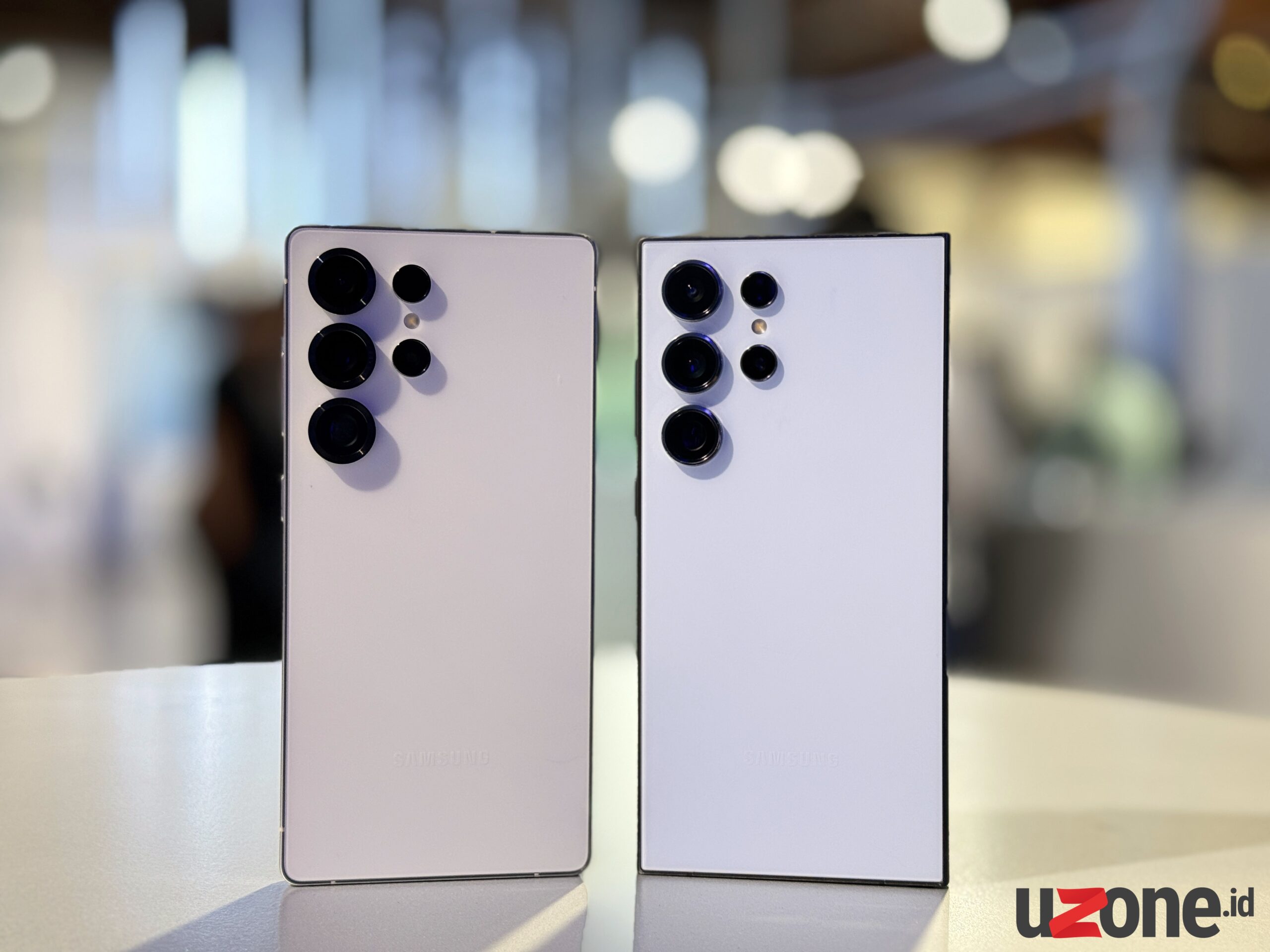
You can see this clash of ideas in the little things. The camera bump, for instance, has become the phone’s signature. The iPhone’s recognizable layout is a flex. Meanwhile, Android makers use their camera bumps to stand out, whether it’s Google’s “visor” or Samsung’s clean, individual lenses.
Up front, it’s the same story. Apple’s Dynamic Island takes the camera cutout and turns it into a living, breathing software feature—it embraces the notch. Most Android phones do the exact opposite, trying to make the front camera a tiny, invisible “hole-punch” to give you as much screen as possible.
It’s two different answers to the same problem: one is about clever integration, the other is about disappearance.
So, Which Camp Are You In?
In the end, there’s no “better” design. It’s all about what you value most. It boils down to a straightforward question: do you want a device that’s been perfectly designed for you, or do you want a device you can create for yourself?
Going with an iPhone means you’re buying into a vision of effortless, extraordinary, and incredible craftsmanship. You’re trusting Apple’s taste, and what you get in return is a seamless experience that just works, beautifully, right out of the box.
Going with Android means you’re choosing freedom and self-expression. You get to dive into a vast catalog of styles—from the safe to the strange—and then tune the software until it’s perfectly, uniquely yours.
One is like a perfectly tailored suit. The other is a massive wardrobe with endless combinations.
Whatever you pick, you’re not just choosing a phone—you’re deciding how you want to interact with technology every single day.