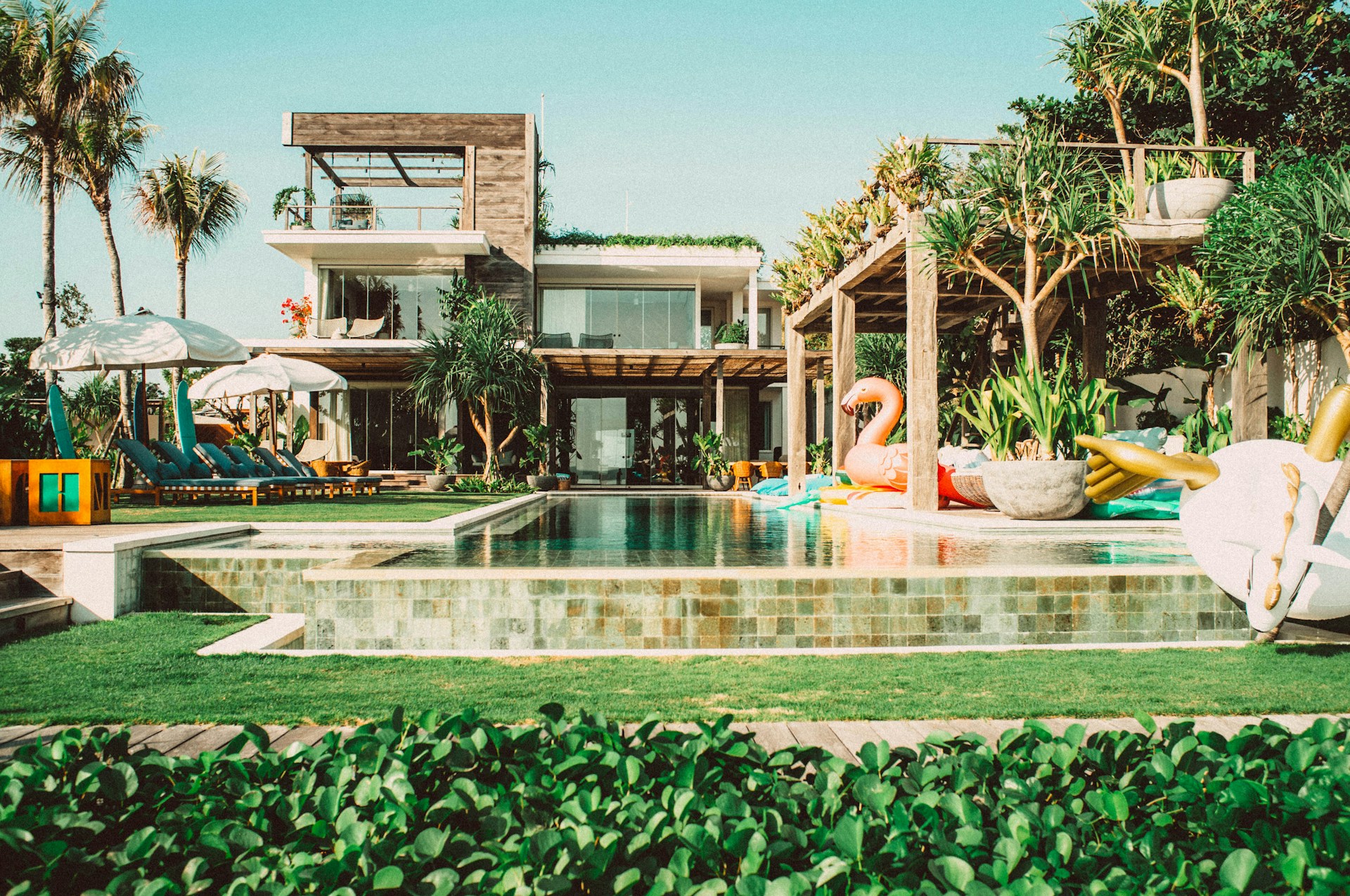
If you’re living in Thailand, Indonesia, Colombia, Ecuador or any tropical countries around the world, it means you’re familiar with high rainfall, high humidity, and possibly high temperature. During the dry season, the air temperature rises dramatically, impacting indoor spaces and making them hot and uncomfortable. In such situations, air conditioning usage increases, which affects our electricity bills.

But what if the way your home is designed could actually help lower your electricity use? It’s possible using passive design. The way you design a home can significantly reduce your electricity costs, especially in hot, tropical areas.
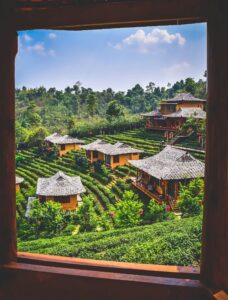
You don’t need to remodel your entire house, a few clever changes and habits can make your space cooler, brighter, and way more energy-efficient. Here’s how it works and how you can bring it into your own home.
Maximize Airflow with Cross Ventilation
In tropical places, ventilation is everything. Good airflow helps push hot air out and bring cool air in, so you don’t have to rely on air conditioning all day. Let the air flow by creating more windows. The more windows you have, the more natural air and natural daylight enter your room.
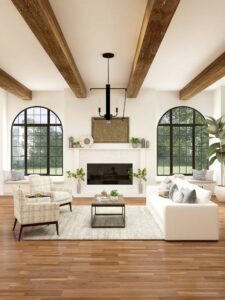
Open up opposite windows or doors to create cross-ventilation. If you’re planning a renovation, think about adding higher ceilings, open floor plans, or even ventilation blocks (like the ones you see in old-school houses). They look aesthetic and keep your rooms breezy.
High Ceilings: A Natural Cooling Solution
Generally, the housing we’ve met has a minimum ceiling height from 2,8 to 3,2 meters. But have you ever entered a house with a much higher ceiling that acts as a void? For a home in a tropical climate, high-ceiling houses allow for more natural light, improve air circulation, and offer design versatility. The higher the ceiling, the better it is for circulating cool air.
Choose Natural Materials to Keep Your Home Cool
Your home can feel cooler just by choosing the right materials. Light-colored walls and roofing reflect heat instead of absorbing it. Natural materials like bamboo, rattan, and wood also help regulate temperature and give your space that chill tropical vibe.
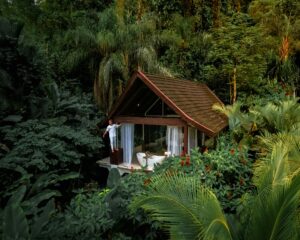
Also, use plants as a natural cooler. Plants are not just for aesthetics; it actually cools the air too. Plants release moisture and provide shade, which lowers the temperature around them.
Try to put potted plants near windows, hanging plants on balconies, or even growing vines along outdoor walls to make your home breathe the fresh air.
Roof Design Tips for Tropical Climates
Why does it have to be a “crossed” system? So that there will be an exchange of hot air to fresh air. According to Reflecto, cross ventilation is known as a natural method of cooling.
Cross ventilation allows fresh air to circulate from two opposite directions, so it can create better airflows throughout the home. This system relies on the natural wind to force into the building through any opening like a window, a louver, a gable, or a wall’s void.
The roof takes in most of the heat during the day. Materials like clay tiles or metal roofing with insulation underneath can help bounce heat off instead of letting it soak in. If you’re building or renovating, consider a sloped roof for better airflow and rain drainage, too.
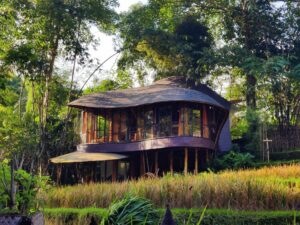
According to energy experts, homes that follow basic passive cooling principles can save up to 30–40% on electricity bills, especially in hot climates. That means more money for iced coffee, beach trips, or anything other than utility bills.
Interior designer Rara Andini says, “Designing for the tropics is about balance — you want to stay cool without hiding from the sun. Good design should work naturally with light and air.”
So the next time you feel like your electric bill is out of control, remember: it’s not just about turning off the lights. Sometimes, it’s about how your space is designed to begin with.