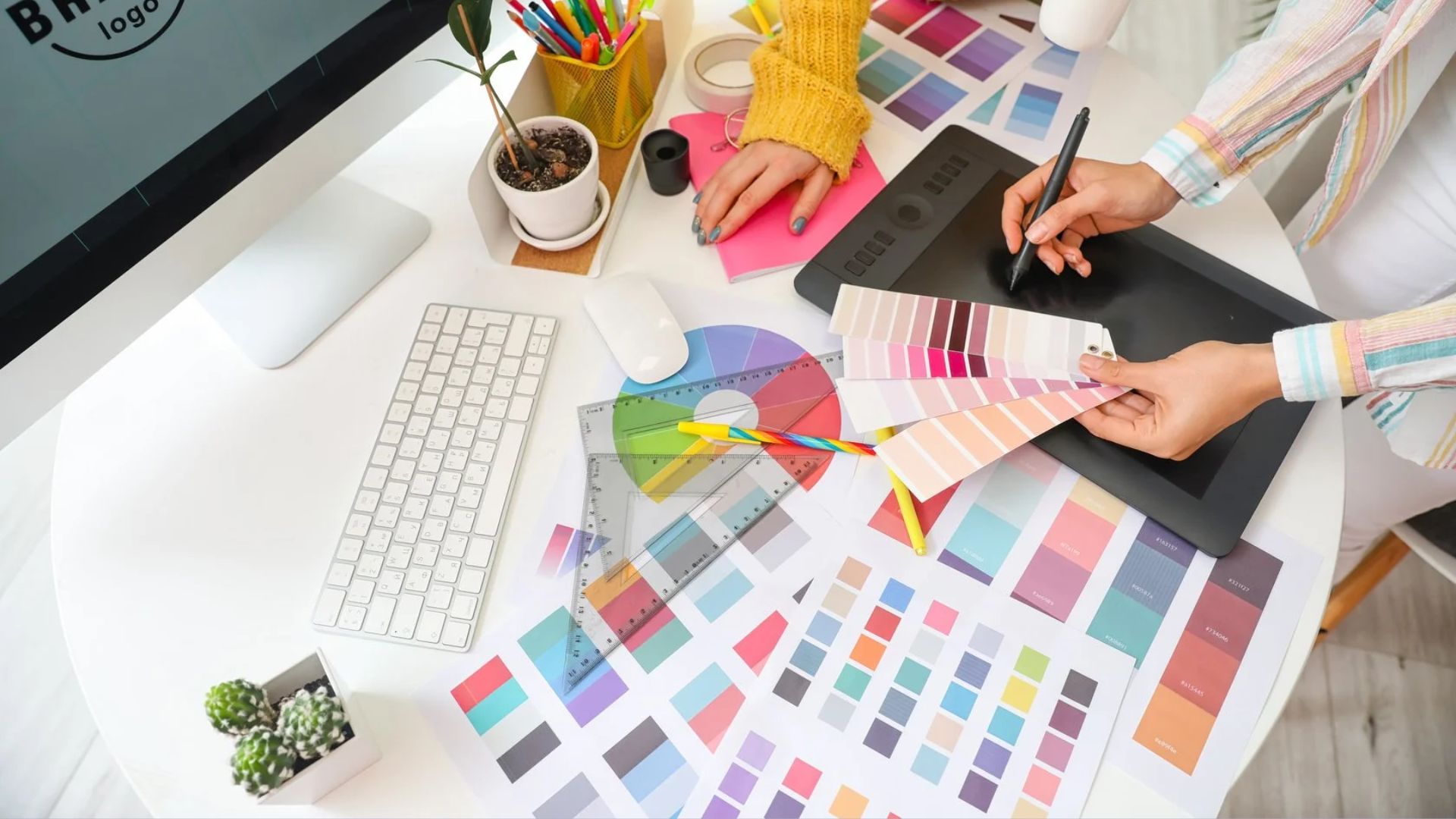

How Important Is Color in the World of Design? Color plays a crucial role as one of the fundamental elements of visual communication.
Design perception, emotional responses, and the effectiveness of communication are all strongly influenced by color. Therefore, the process of selecting colors is essential to add vitality, depth, and meaning to a design.
Each color has a unique emotional and symbolic connection that helps convey a specific message to the audience. Understanding the meaning of colors and how to use them effectively can help designers create impactful and memorable designs.
For example, the use of red and orange can evoke strong emotional responses from the audience. Meanwhile, colors such as blue and green tend to evoke a sense of energy and passion. After reaching the emotional depth of the audience, color also plays a significant role in building brand image.
For instance, red often represents a brand identity that is bold and full of energy, while blue conveys reliability and professionalism. By choosing the right colors, a brand can deliver its intended impression effectively.
Color is also a powerful tool for identifying focal points within a design. Contrast and color intensity help determine visual hierarchy and enhance the overall impact of the design on the audience.
Color Psychology and Its Influence on Emotions

Color psychology explains how colors can influence human emotions. This field is widely applied in interior design, branding, and marketing.
In general, color psychology is defined as a branch of psychology that studies the relationship between colors and their effects on human thoughts, emotions, and behavior. It seeks to explain why certain colors can trigger specific feelings or emotional responses.
This study involves various aspects, including color perception, color preference, and the psychological effects that arise from human interaction with color. This understanding is then applied across multiple fields such as interior design, graphic design, marketing, and branding.
As a result, the proper use of color can help communicate messages, influence consumer behavior, and create a desired atmosphere.
How Colors Affect Human Emotions
Colors have strong cultural associations. In addition, personal experiences also shape emotional responses to certain colors. The visual process involves photoreceptor cells in our eyes, where different colors stimulate these receptors and send signals to the brain.
Bright and contrasting colors stimulate the nervous system and trigger intense emotions. Meanwhile, softer colors tend to create a calming and relaxing effect. Color perception can also be influenced by context, contrast, and color combinations.
Most importantly, meaning and connotation are shaped by culture and personal associations. For example, in some cultures, white symbolizes purity and cleanliness, while in others it represents mourning or sorrow.
Application of Color Psychology in UI/UX and Graphic Design
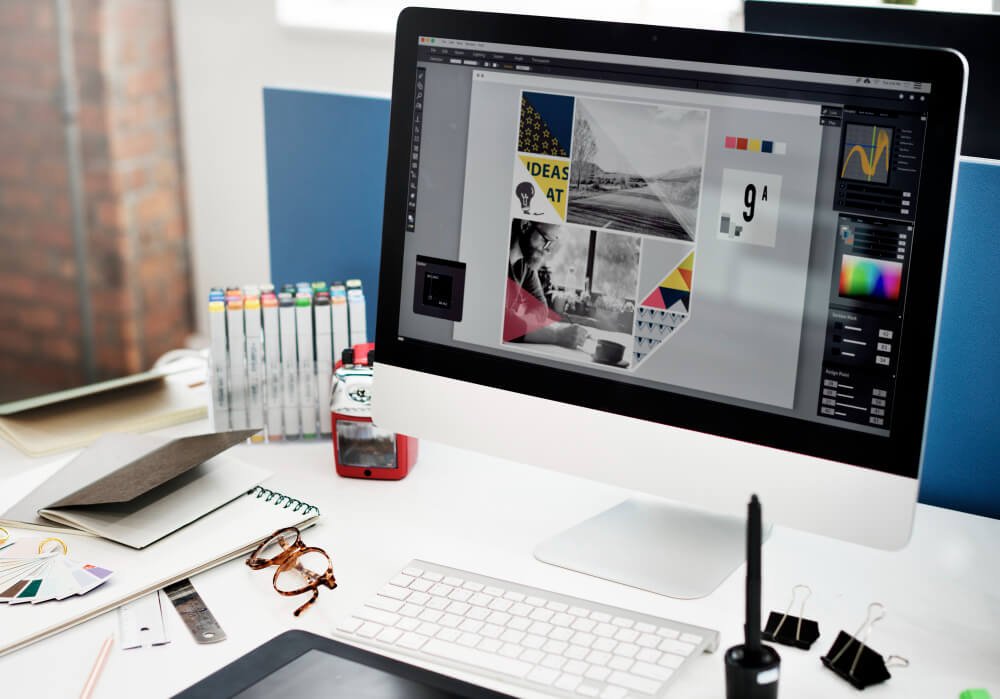
Whether we realize it or not, color is often the first element that captures our attention. Color is no longer merely decorative—it has become a psychological tool that subtly shapes how people think, feel, and behave.
In UI/UX design, every element serves a purpose. Color communicates meaning faster than words. It influences perception, mood, and behavior. Each color triggers emotional and psychological responses shaped by culture, context, and personal experience.
To achieve optimal results, designers validate their color palettes through user research. They observe how users respond and ensure the interface feels natural and emotionally aligned with the product’s goals.
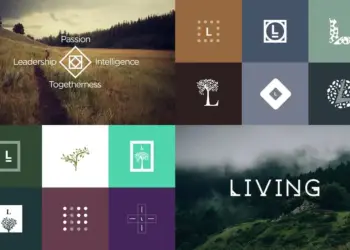
Most importantly, color plays a vital role in communicating branding. Color represents the visual voice of a company and plays a key role in brand guidelines, just like typography.
Color is essential in defining a product’s visual identity, allowing it to stand out in a competitive market. This can be clearly seen in global brands that use color strategically to build strong brand images.
For example, McDonald’s yellow arches convey a cheerful and friendly impression, while Coca-Cola’s bold red evokes energy and excitement. Similarly, Google consistently applies its signature four-color palette—blue, red, yellow, and green—across all of its products.
This consistent use of color effectively creates a strong identity and allows the brand to be instantly recognized by consumers around the world.