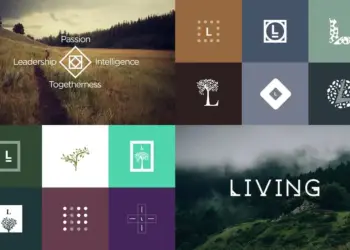
Things shift most where design meets new tools – shaped by devices, habits, actions never seen before. When needs flip fast, looks can’t stand alone – they ride along with function; sight follows life more than rules. Old patterns fade yet some stick – not from habit, but because they fit real moments. Screens replace paper one tap at a time, choices burst wider; every glance, swipe, press nudges form into being. Smooth surfaces hide stumbles, attempts, slow shifts – quiet ones. When attention slips quicker, sharp thoughts win over glitter any day. Still, emotions matter most, particularly if everything feels stiff or distant. Each shift makes builders wonder about atmosphere, far beyond surface shape.

Old Ways Meet New Tools
Out of the early nineteen hundreds came a thought – shape comes from what something does – pushed hard by builder Louis Sullivan. Then groups such as Bauhaus shook up how things looked, choosing clean lines and reason because clear ideas won over decoration. Today, despite screens, code, and new materials crowding workspaces, echoes of that old way slip under the surface. A century on, those origins hum inside current styles, quietly, never shouting.
Late in the nineteen hundreds brought personal machines into homes, alongside new tools for making images. Without needing just pens or brushes anymore, creators found ways to test ideas quickly – no matter where they stood on the map. Sharp visuals became possible once apps like Adobe Photoshop showed up, shifting what could be drawn by hand. Suddenly, trying something different felt easier, even natural.
These days, screens shape more of life because connections spread wider. Designs stopped being fixed once people expected quick changes on demand. Appearing clean lost importance when behavior began driving responses in real time. Software stepped into habits slowly, nudging choices around knowledge and tasks without notice.
User Centered Design Grows
These days, looks matter less than what stuff actually does. Moving through taps and scrolls shapes how people feel about using something. Years ago, Apple showed that neat designs can win trust without loud effects. Changing a font just right doesn’t simply catch sight – it quietly guides choices. Jumping between screens smooth as air? Everyone expects it, barely notices. When tasks need finishing, fast beats clever every time. Clear always lands better than flashy moves. Even a split-second pause drags if speed is what the mind wants. Smart design points the way like a whisper, not a shout. Looks off? You notice right away, even if you can’t say why. When things run smooth, nobody celebrates – still, folks remain.
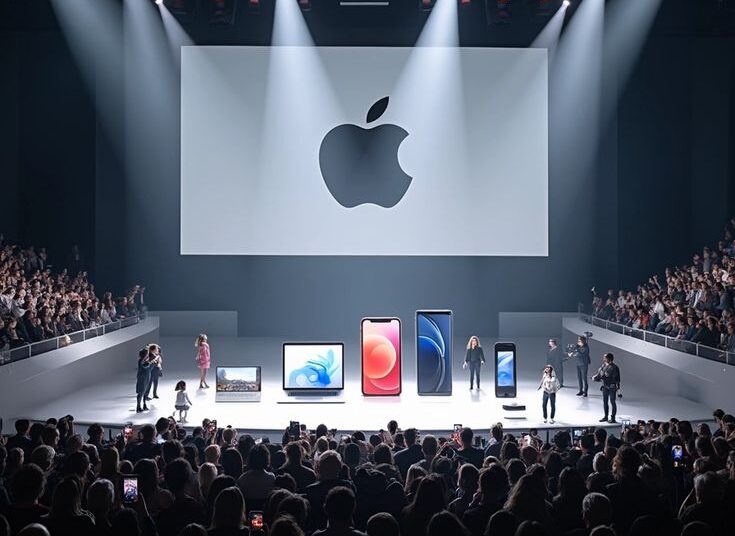
What counts is who’s holding the device when forms fill wide displays. As things shrink or grow, clarity sticks around because small gadgets decide our view. Actual actions shape every change much more than guesses do. Seen decisions mix with data sheets, nudging edges exactly where they need to be.
Technology Alongside Creativity
Out here, change moves quick because new tools show up every day. Leading the pack is artificial intelligence, backed by augmented and virtual reality tagging along like steady helpers. Once upon a time screens held thoughts prisoner – that’s different now, people step right inside. Think about moving through glass, landing in rooms shaped purely by imagination. Being inside alters things deeply; responses happen on their own, smooth and unforced.

All around, folks shape ideas at once through web apps built for teamwork. During various times, creators tweak a single sketch without stopping. Thoughts started with graphite now shift instantly across displays. Machines join in by thinking, not just storing facts. This shift brings more than speed – it lets unheard perspectives step forward.
Simple Living and Caring for Earth with Integrity
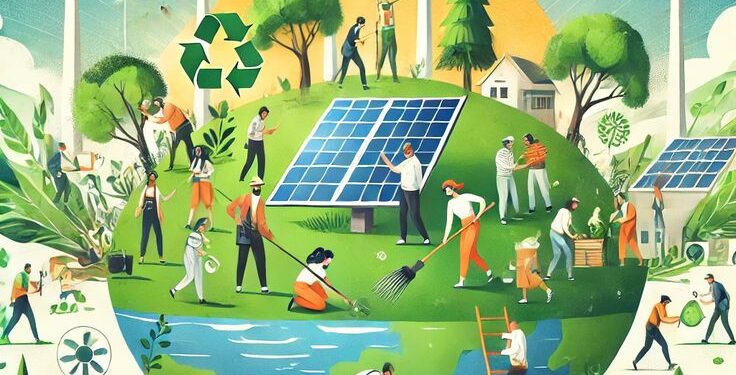
Lately, screens shape what catches our eye. Clean lines hold ground where chaos piles up close. Still, green thinking pushes hard into view. Making choices means watching fallout, pulling in kinder stuff, picking online trails that dissolve like mist when done.
Works fine? Still doesn’t mean it’s right. When screens shape choices, those who build them must respect honesty, space, real limits – quietly, daily. Noticing that balance matters more than chasing results.
Conclusion
Out there, styles thought shallow carry hidden depth. Shaped by tech shifts, culture flows, and real life demands, it moves because it must. With better tools spreading wide, its role gets clearer – guiding how people connect, share moments, see the world around them. Those stepping into it, or pulled toward it, should know where it began before going further. The path ahead ties closely to paths already walked.