Following proper Feng Shui principles can create a home that feels comfortable, safe, and full of positive energy. Good Feng Shui is believed to bring good luck, health, and prosperity to its residents.
By positioning key elements correctly—such as the home’s orientation, room layout, and the types of objects used—you are already practicing good Feng Shui. Moreover, Feng Shui focuses on maintaining a harmonious flow of energy (Chi) throughout the house, ensuring that positive energy can enter and circulate freely.
These principles help balance the five elements (wood, fire, earth, metal, and water) within your home, collectively enhancing your quality of life and overall well-being.
Although not the main guideline for interior design, Feng Shui can still be applied to your home. Therefore, make sure you avoid these 10 common Feng Shui interior mistakes below.
Door Placement According to Feng Shui
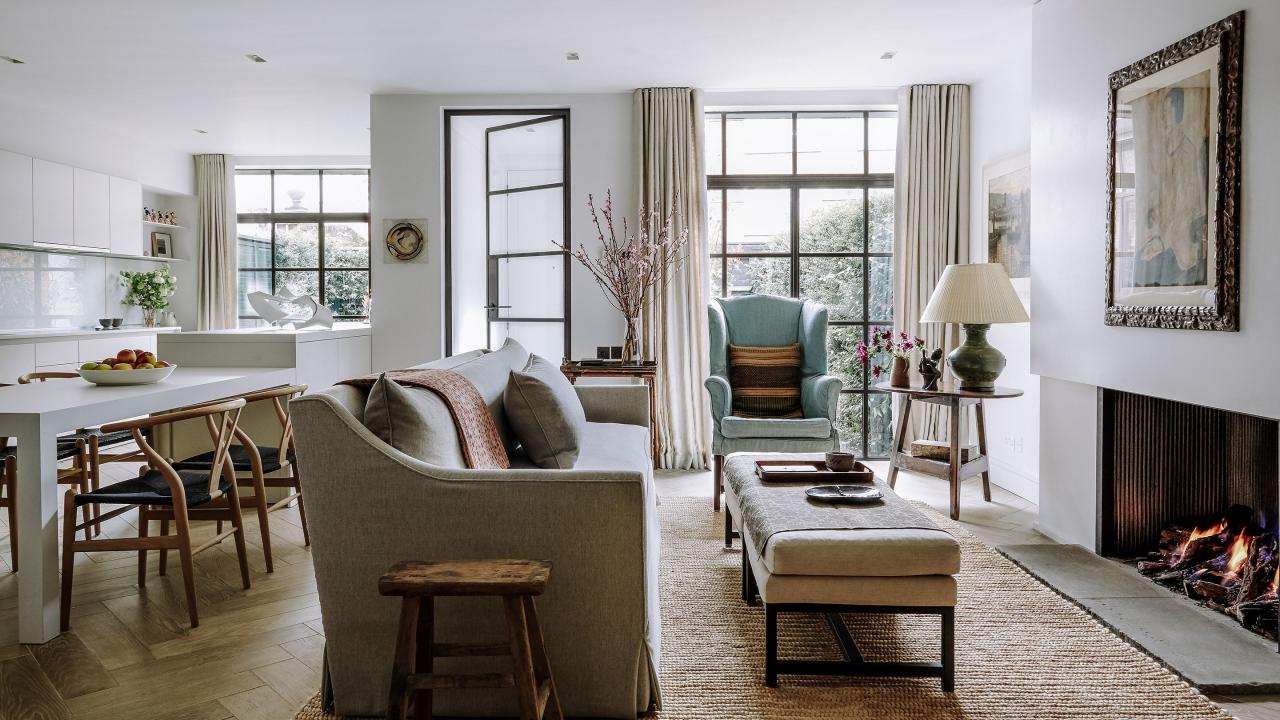
In Feng Shui, the main entrance plays a crucial role in attracting and absorbing positive energy (Qi). Your front door should be clearly visible from the street. If it’s hidden, positive energy and good opportunities may have difficulty finding their way into your home.
You can fix this by adding a visible house number or nameplate and trimming any overgrown bushes that block the view.
In addition to visibility, the door layout also matters. When the front and back doors are aligned directly with no obstruction. New Qi entering the house can flow straight out. Preventing positive energy from settling and spreading throughout the home.
Good Feng Shui encourages Qi to linger inside the house. To fix aligned doors, place furniture such as a cabinet or bookshelf between them to slow down and disperse the energy.
Staircase Placement Mistakes
In Feng Shui, the staircase plays an important role in influencing energy flow and household stability. If your staircase is directly in front of the main entrance, the positive Qi entering the house will likely rush upstairs without circulating through the main living area.
To counter this, place furniture or decorative items like a vase or shelf near the area to help Qi gather and spread before moving upward.
Another common mistake is placing a staircase at the center of the home or in the Tai Qi area—the core of health and balance.
Having a staircase in this area may lead to instability affecting the entire home’s harmony. To maintain stability, place a solid table or statue beside the staircase.
Bathroom in the Tai Qi Area
In Feng Shui, placing a bathroom in the Tai Qi area (the center of the house) is considered a major mistake. The center represents health and well-being, and bathrooms are believed to drain away positive energy.
If your home has a bathroom in this central area, you can counteract it by placing green plants inside the bathroom.
If maintaining real plants is difficult due to lack of light. Artificial plants can be used instead. They help retain positive energy and prevent it from being completely absorbed.
Bedroom Above the Garage
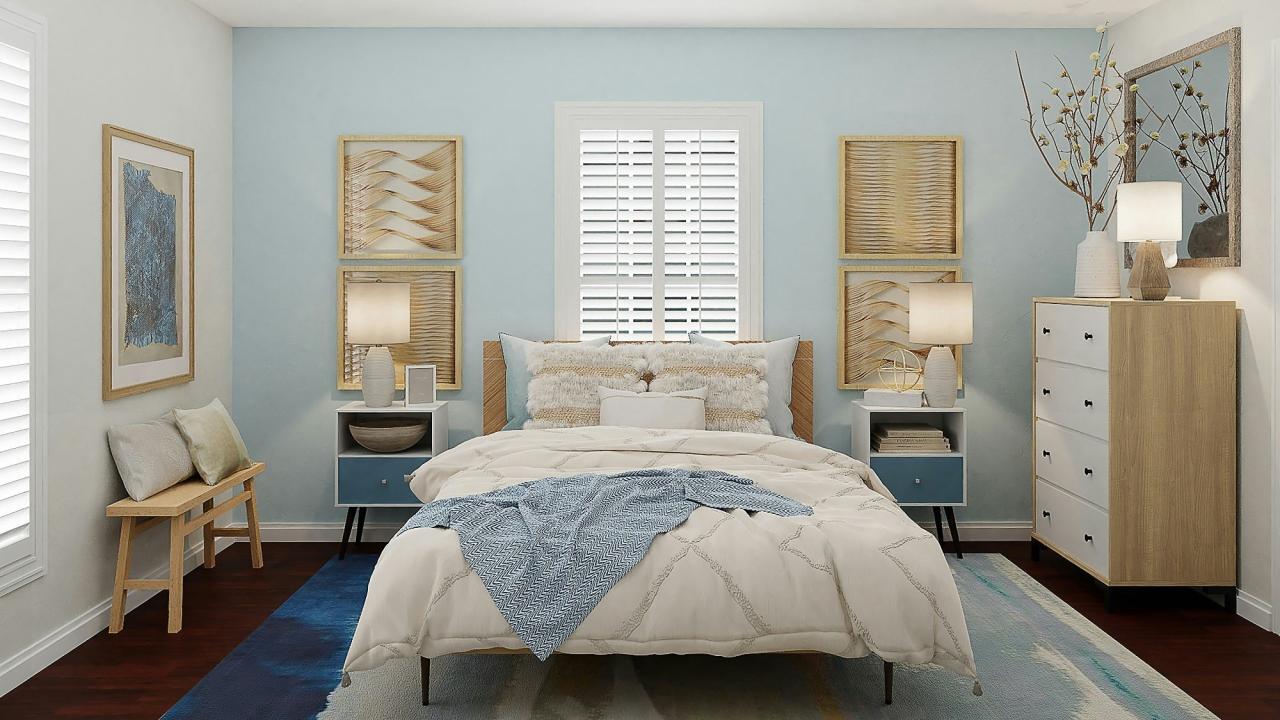
If your bedroom is located directly above the garage, it may cause instability due to the movement of vehicles and activities below, which can disturb sleep and well-being.
To restore balance and vitality, place green plants in the bedroom to enhance life energy.
Long and Narrow Hallways
Long and narrow hallways can cause positive energy (Qi) to move too quickly. Whereas ideal Qi should flow smoothly and fill each space like gently flowing water.
If your home has such a hallway, you can place vases or artwork along it. These objects help slow down and stabilize the flow of Qi while adding aesthetic beauty for guests to enjoy.
Chair and Mirror Placement
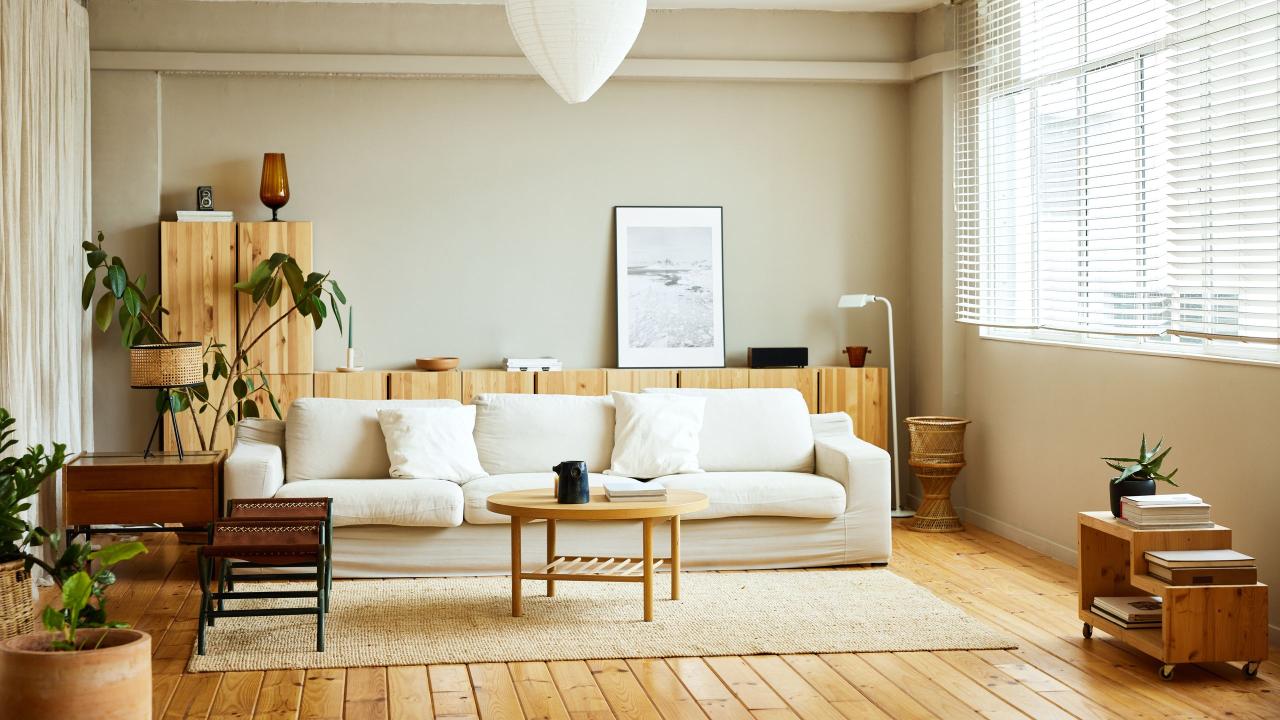
In Feng Shui, chairs should ideally face the door. This allows you to see who comes and goes, creating a sense of safety and control.
If facing the door isn’t possible, you can place a mirror on the wall to reflect the entrance.
Additionally, placing plants behind a sofa that faces the door is believed to further enhance the flow of positive energy.