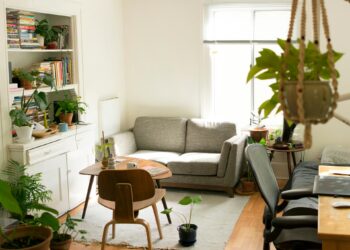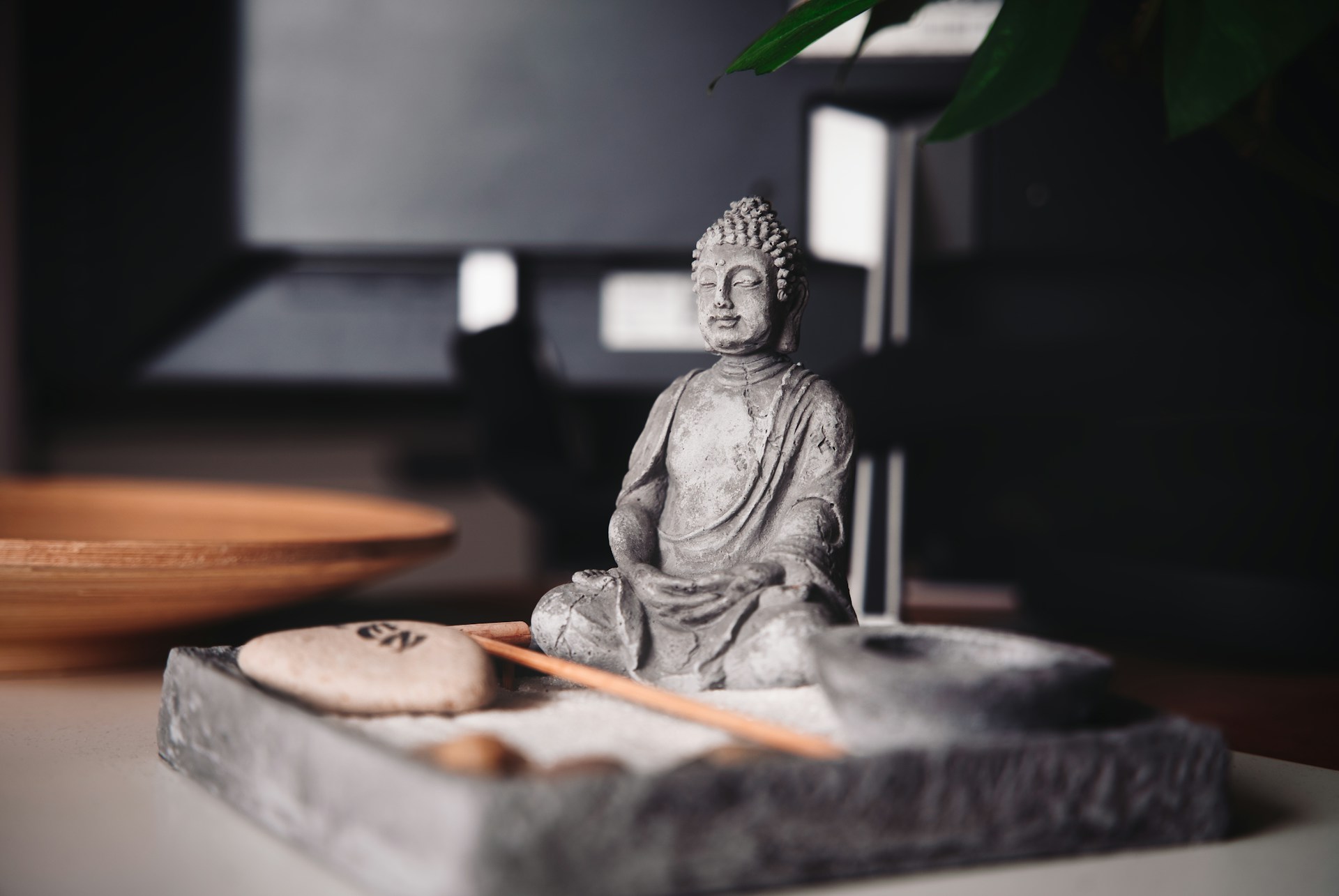
Ever walk into a room and feel instantly relaxed—or strangely tense? It might not be the lighting or furniture. It could be Feng Shui, the ancient Chinese art of spatial harmony, that’s changing how we design our homes.

The term “Feng Shui” (pronounced fung shway) means “wind” and “water,” and it’s rooted in the idea that everything in your environment carries energy—or chi. When chi flows freely, your home feels calm, vibrant, and alive. But when energy gets blocked, it can throw off your mood, focus, and well-being.
When chi flows through a space, it brings positive energy, happiness, and health. But if the energy is blocked, it can lead to discomfort and even bad luck.

That’s why some people believe in Feng Shui to design their homes and spaces. These days, it’s not only the Chinese people, but most architects and interior designers also apply Feng Shui in their buildings.
More than spiritual philosophy, Feng Shui is now widely used in modern interior design to help people feel more comfortable and peaceful in their own homes.
“Feng shui is really an art that celebrates science, its purpose is to achieve harmony and balance between humans and their environment,” said Feng Shui expert, Gabrielle Santiago, quoted from BHG.com.
4 Principles of Feng Shui
There are four main principles in Feng Shui, they are used to balance the energy in a room or home. These four main principles are Bagua, Yin and Yang, the Five Elements, and Qi (energy). Let’s dive into these principles one by one.
Chi
Chi is the vital life force or the center of energy. This principle is a significant component when designing your home with feng shui.
Bagua
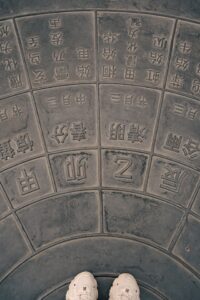
The bagua is basically the Feng Shui map, unlike regular maps, it is in the form of charts. Bagua is essentially a Chinese term meaning “eight areas.”
There are nine sections of this map—the eight parts of the octagon and the center spot—with each section representing a particular life area. These areas are wealth, fame, love, family, children, knowledge, career, and helpful people.
Bague will map the areas of a home or office to decide where the five elements will be located. What are the five elements? Let’s jump into the next one.
The Five Elements
There are 5 elements in Feng Shui, which is are foundational concepts of the universe–, they’re earth, fire, water, wood, and metal. Each of these elements has different characteristics and color schemes.
Earth’s characters are stable, grounding, and unmoving. The color schemes of Earth show up in brown, ochre, and sometimes even yellow. Based on Feng Shui, earthy elements are ideal for bedrooms, living rooms, and cozy spaces.
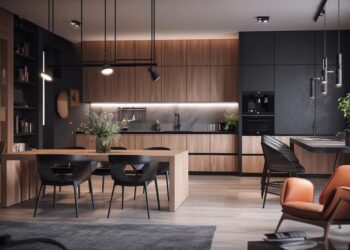
Metal is rigid, unmoving and stark. It’s often associated with function. Based on this interpretation, metal is perfect for workspaces like the kitchen.
Wood is growing, forming and symbolizing growth and persistence. It’s flexible and often found in the color brown and green.
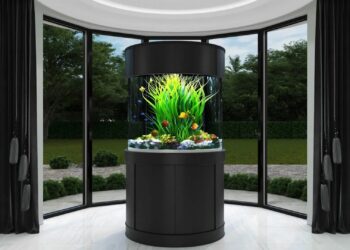
Water means renewal, cleansing and wisdom. It is represented by blue, black or fluid shapes. Last, fire symbolizes change, transformation, and passion. It is represented by warm hues like red, orange and yellow.
Yin and Yang
This concept is often depicted as a circle divided into black and white sections, each with a dot of the opposite color. While Yin is calm and dark, on the other hand, Yang is bold and bright. These two opposing forces in the Chinese concept instill balance, representing different spaces in a home.
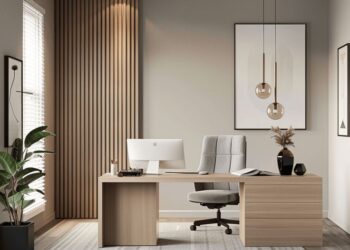
The soft colors associated with Yin suit restful living areas, such as bedrooms. Meanwhile active rooms, such as kitchens and home office spaces, fit Yang characteristics.
The Power of Feng Shui when decorating home
Where you place furniture matters in feng shui, for example, the bed should ideally be in a “command position”—this means it faces the door but isn’t directly in line with it. This gives a feeling of safety and control. The same goes for desks and couches. In Feng Shui’s case, sitting with your back to the door can make you feel uneasy, even if you don’t realize why.
A clean and tidy space allows energy to move smoothly. On the other hand, something untidy blocks energy flow and creates feelings of stress or confusion.
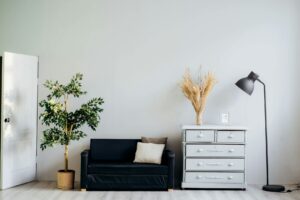
Feng shui basically encourages the importance of an organized living space to promote good energy flow (chi) and maintain balance in both home and the human being who lives there.
In the lighting area, natural light and fresh air are key to good feng shui. Let the sunlight in, and use air-purifying plants like snake plants or peace lilies. For the alternative, use soft lighting and mirrors to reflect light and energy throughout the room.
The front door means “mouth of chi” in Feng Shui. It’s where energy enters your home. Keep it clean, well-lit, and clutter-free. A strong front door creates a good first impression and invites positive energy in.
Ready to bring harmony to your home? Start by rearranging one room using the Feng Shui principles above and see how it changes your vibe.