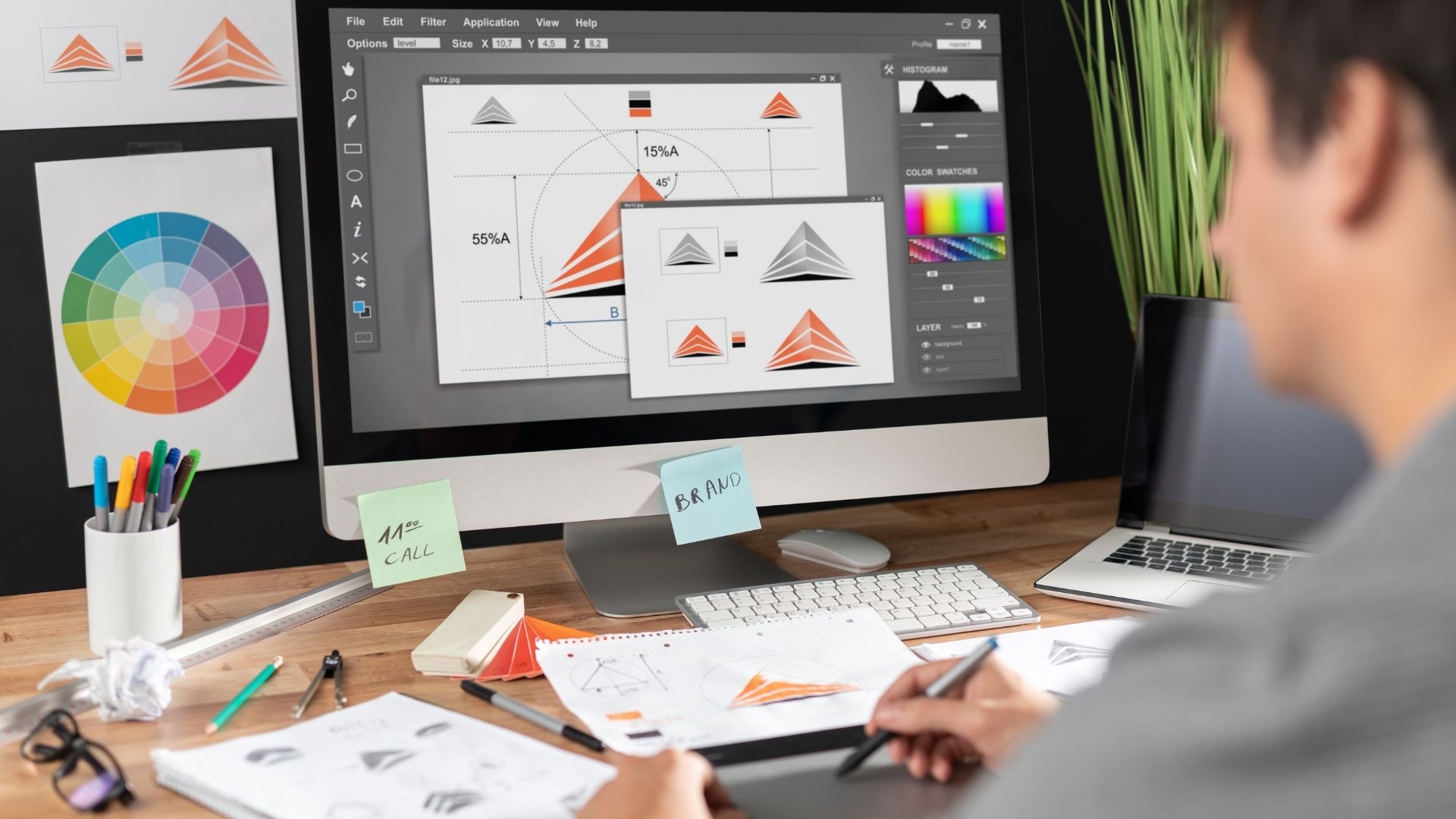

Graphic design has entered a new dimension in this digital era. It plays a vital role in communication and digital marketing. The rise of digital technology has empowered designers with innovative tools and platforms, transforming the way we create, share, and experience design.
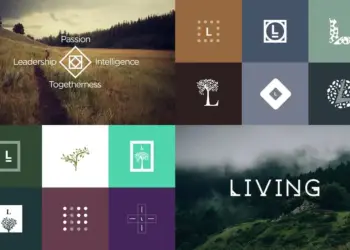
In today’s digital age, the role of graphic design is becoming increasingly important. This field helps businesses build strong, consistent, and easily recognizable brand identities. Eye-catching design communicates messages more effectively and has a greater influence on decision-making.
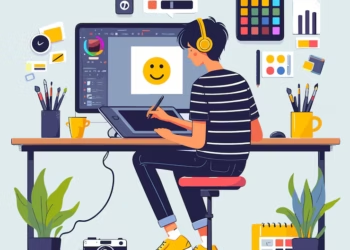
The digital revolution has also significantly transformed the graphic design landscape. Technology—particularly graphic design software—has made it easier for designers to create and experiment with various styles and techniques. It has expanded the reach of graphic design, making it an integral part of website design, social media marketing, and mobile app development.
The Role of AI in the Modern Design Process
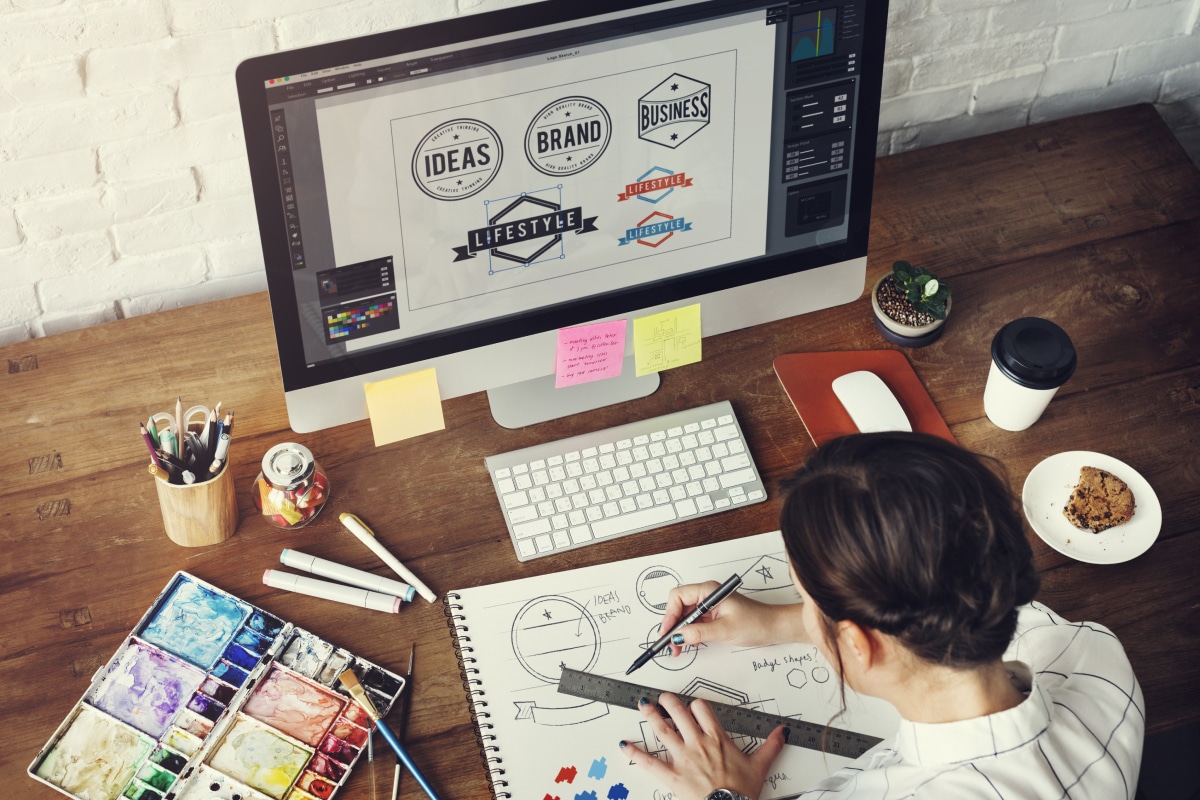
The fusion of art and technology is nothing new; the two have been intertwined for centuries—from the invention of the printing press to the digital era. With the emergence of AI, creative possibilities have become virtually limitless.
AI is significantly transforming the design industry by automating repetitive tasks and enhancing creativity. AI-powered tools can generate design elements, suggest color palettes, and even create entire layouts, allowing designers to focus on more complex aspects of their work.
For example, AI can analyze user data to provide designers with insights into current preferences and design trends. This helps designers create more personalized and effective designs. By aligning design with technological advancements, designers can produce work that is not only cutting-edge but also aligned with ever-evolving industry standards.
Automation vs Creativity

Murphy’s Law states that anything that can go wrong will go wrong. So why not take advantage of existing tools to minimize errors? Working smarter is essential in today’s industry, and automation and customization are key to achieving that goal.
However, it is important to understand that design automation is not just about speed. It is about reducing human error, improving consistency, saving time on repetitive tasks, and creating space for thoughtful, user-centered problem-solving.
At the beginning of its emergence, it is undeniable that many graphic designers felt intimidated. This is why collaboration between designers and AI is essential. AI tools typically scan social media platforms, search engines, and consumer data to predict trends. Based on this data, designers can develop creative materials that align with those trends.
Nevertheless, rather than merely copying what AI produces, designers should use it as inspiration. AI should enhance talent, not replace it. Falling into the trap of homogenization will result in designs that lack uniqueness and appear machine-made.
Equally important, the ethics of AI usage remain a source of ongoing controversy. Despite its high efficiency, AI inevitably raises ethical concerns. Therefore, graphic designers have a responsibility to modify and refine creative work to ensure it promotes inclusion and fairness.
Balancing AI and Human Design

Collaboration between humans and AI in design means jointly shaping workflows, service systems, and user experiences. AI excels in data analysis, machine learning, and automation.
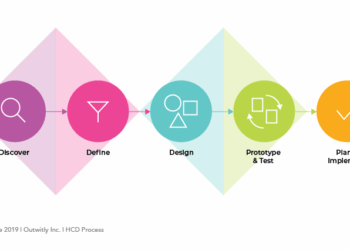
By integrating AI into the design thinking framework, we can combine the best of both worlds to strengthen our ability to create meaningful, effective, and human-centered solutions.
More than just a trend, AI integration represents a paradigm shift in innovation. By leveraging AI, companies can optimize their design processes—from accelerating the prototyping phase to gaining deeper and more accurate user insights.
In conclusion, AI does not shift the human-centered focus of design thinking; instead, it reinforces it. As a powerful tool, AI helps us uncover user insights more effectively, generate solution variations rapidly, and improve the accuracy of outcome predictions. Ultimately, AI expands our capacity to understand and serve human needs.