When people hear the word “design,” their minds often jump to a specific image: a hip artist choosing a cool font for a poster, a fashion designer picking a trendy color for next season, or someone making a logo look slick. It’s all about aesthetics, right? Making things look pretty.

And while making things visually appealing is undoubtedly part of it, that’s just the tip of the iceberg. To think that’s all design is would be like saying cooking is just about sprinkling parsley on a plate.
The objective, profound, and far more exciting truth is that good design is, at its core, a problem-solving process. It’s a thoughtful, empathetic craft that, when done right, makes our lives easier, safer, more efficient, and more enjoyable in ways we might not even notice.
It All Starts with Empathy
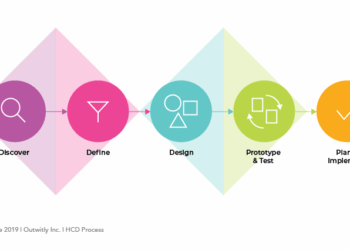
Great design rarely begins with a sketch on a blank canvas. It begins with people. It starts with a designer watching, listening, and developing a deep sense of empathy for the user. They ask questions to get to the root of a problem: Why is this task frustrating? Where do people get stuck? What are they trying to accomplish?
Think of a good designer as part detective, part psychologist. They’re not just taking orders; they’re investigating a human need. This empathetic approach is the foundation for creating solutions that not only look good but also work for the people using them. It’s the difference between making a product and solving a problem.
In Your Hands: Product Design That Just Works
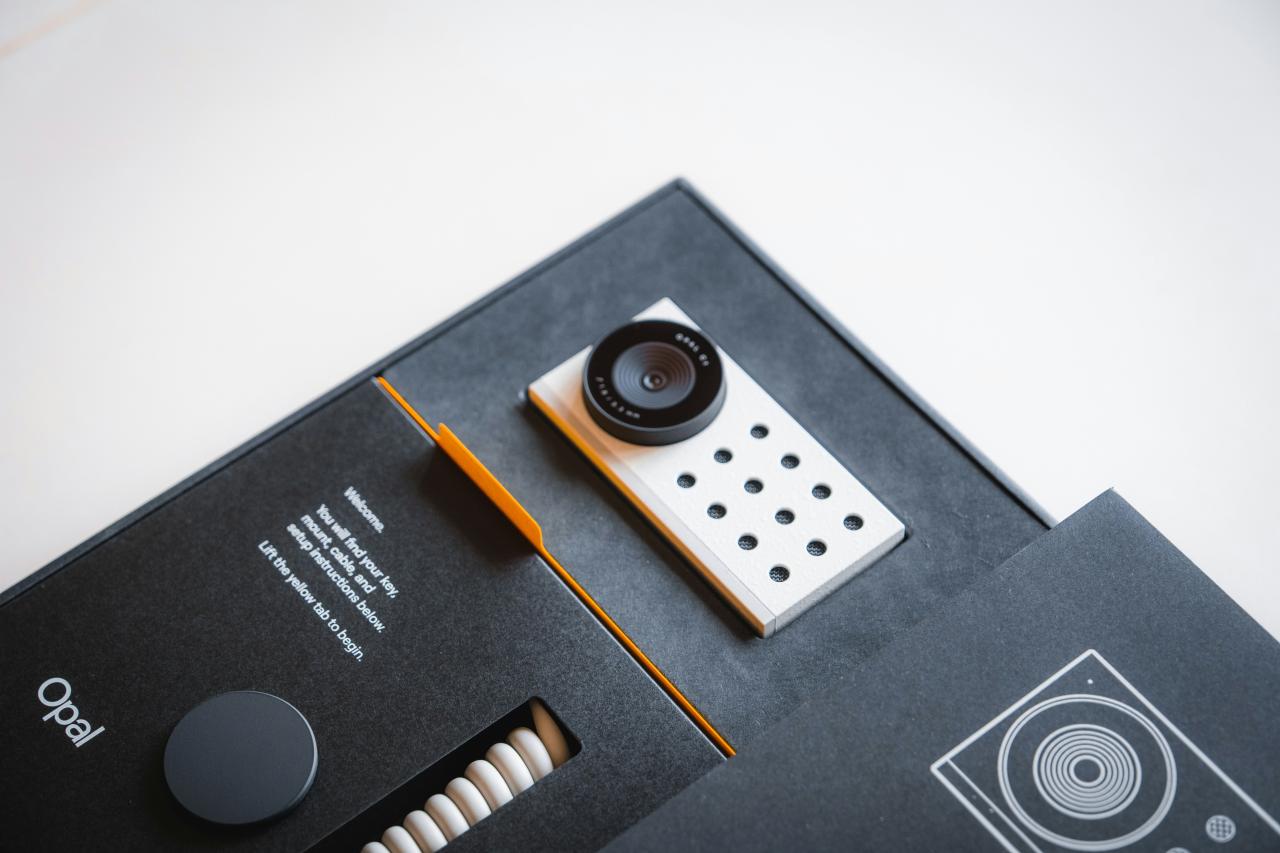
One of the easiest places to see problem-solving design is in the physical products we use every day. A classic example is the OXO Good Grips vegetable peeler. The original was famously inspired by the designer’s wife, who struggled to use a standard peeler due to arthritis. He created a thick, soft, non-slip handle that was easy for her to grip.
But here’s the magic: in solving the problem for someone with arthritis, he created a peeler that was more comfortable and effective for everyone. That’s inclusive design in a nutshell. It’s not about designing for an “average” person, but about solving real challenges, which often leads to a better product for all.
Contrast that with a beautifully minimalist remote control that has five identical, unlabeled buttons—it might look cool, but it creates a problem of confusion and frustration.
On Your Screen: Digital Design Making Life Simpler
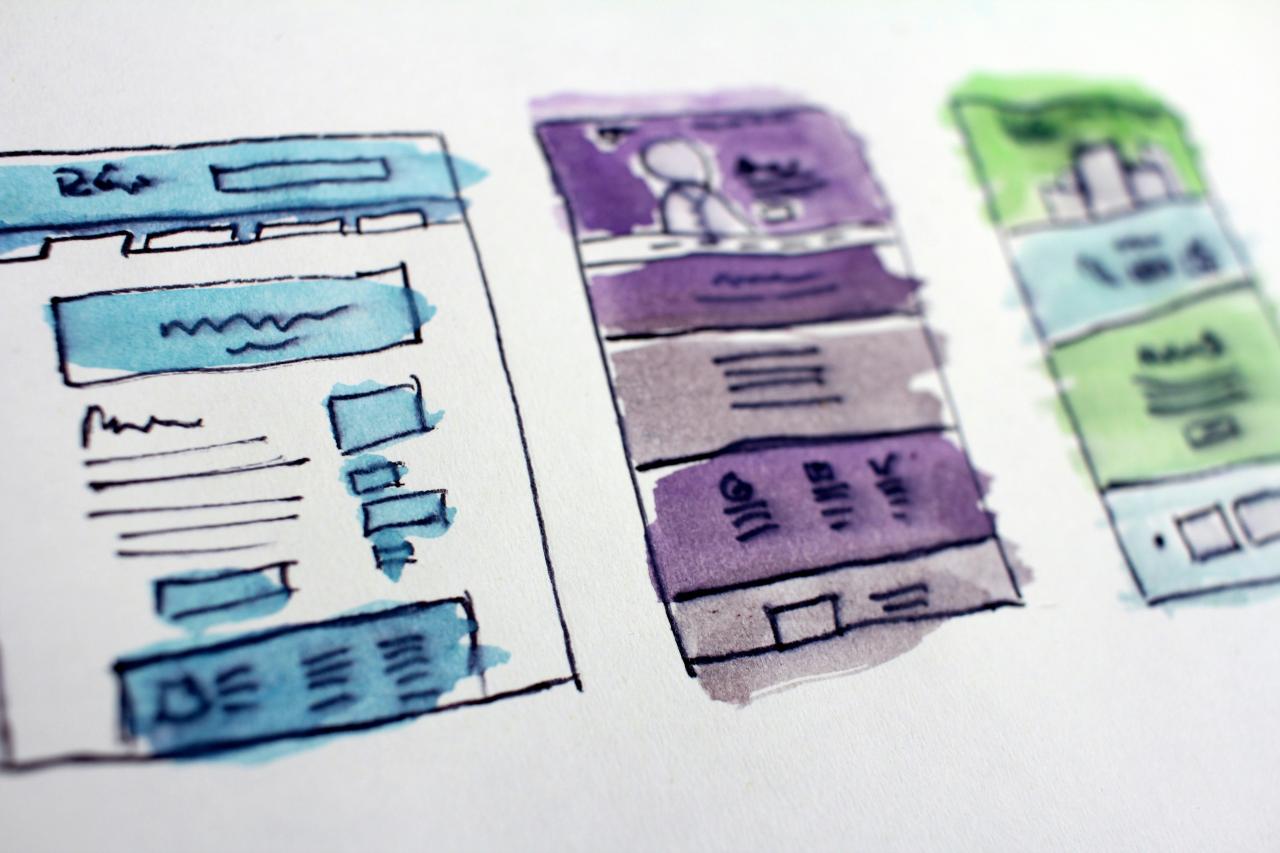
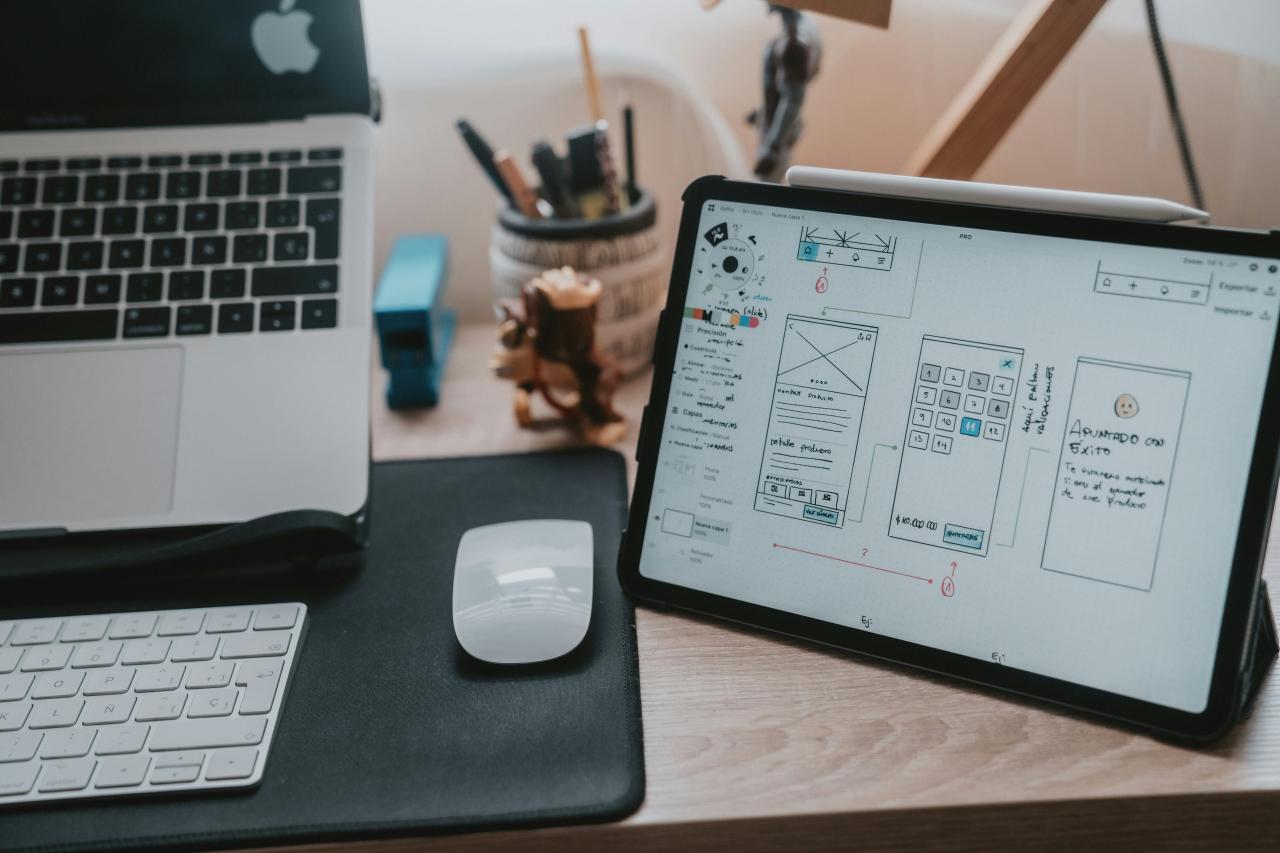
In our digital world, this principle is more important than ever. Good User Experience (UX) design is the invisible force that separates a delightful app from a digital nightmare.
Think about a ride-sharing app. It solves a vast, complex problem—how to get a ride from a stranger safely and efficiently—with a straightforward design. You see a map, tap a button, and you see how far away your ride is, along with the cost.
The design takes away uncertainty and anxiety. Compare that to a clunky online banking website that makes you navigate through six confusing menus just to pay a simple bill. One design solves a problem and saves you time; the other creates new ones.
In Your City: Shaping the Spaces We Live In

Design’s problem-solving power extends far beyond handheld objects and screens. It shapes our cities and public spaces. Take the London Tube map, for example. It’s not a geographically accurate map of London. It’s a diagram.
Its designer, Harry Beck, realized that passengers didn’t need to know the exact physical path of the trains; they just needed to see the order of the stations and where to change lines. He simplified the complex reality to solve one problem: making the transit system easy to navigate.
This thinking also applies to how we design our streets. A simple design choice like a curb cut—that little ramp at the corner of a sidewalk—solves a massive problem for people in wheelchairs.
But it also solves problems for parents pushing strollers, travelers pulling luggage, and delivery workers with carts. It’s a small design decision with a massive, inclusive impact.
For Our Planet: Tackling the Waste Problem

Today, one of the most prominent problems designers are tackling is a global one: waste. Sustainable design is about fundamentally rethinking how we create and consume products to solve the problem of our throwaway culture.
This means designing packaging from materials like mushrooms or seaweed that can be composted instead of thrown in a landfill. It means creating electronics that are designed to be easily repaired, with swappable batteries and accessible parts, fighting back against the “planned obsolescence” that forces us to buy new gadgets every couple of years.
It’s about creating a circular economy, where products are designed from the start to be reused, remade, or recycled, ensuring their materials don’t end up as pollution.
So, the next time you use a product that feels intuitive, navigate a website that’s effortless, or appreciate a public space that’s easy to get around, take a moment. You’re experiencing the invisible hand of a good designer. They didn’t just make something pretty; they saw a problem, understood the people facing it, and crafted a thoughtful solution that made the world a tiny bit better.