You’ve felt it, right? That weird sense of déjà vu when you’re scrolling your feed, browsing in a store, or even just looking at a soda can. All of a sudden, you’re surrounded by grainy photo filters, chunky fonts that feel ripped from a 90s magazine, and color schemes that look like they belong in your grandparents’ basement. No, you haven’t time-traveled. A full-blown retro revival is here, and it’s taking over everything.

But this isn’t just a case of designers getting lazy or running out of ideas. The massive comeback of these nostalgic looks is a real cultural moment. It’s a sign that we’re all craving something familiar in a world that feels like it’s changing by the minute.
Looking backward has become more than just a style choice; it’s a gut reaction to our super-fast, super-digital lives, and it says a lot about what we’re all searching for.
Why We’re All Craving a Throwback

Let’s be real, the world feels a bit chaotic right now. When things are uncertain and moving at lightning speed, it’s only natural to look for comfort. And nostalgia is basically a warm, weighted blanket for our brains.
Looking back at the 80s, 90s, or even the wild Y2K era feels safe because we know how it all turned out. It’s a highlight reel we can play on repeat.
This desire for a “simpler time” is what’s fueling the whole trend. For millennials, a design that looks like it’s from the 90s brings back that feeling of childhood optimism.
For Gen Z, the Y2K aesthetic is like a fascinating, mythical period of dial-up internet and pre-influencer fun. It’s a way to connect with a version of the past that feels more real and less overwhelming than today.
What We’re Really Looking For: Comfort and Imperfection
For the better part of a decade, design got really… clean. Everything was flat, minimal, and stripped down to its bare essentials. Corporate logos got simpler (some would say boring), websites became super sparse, and a kind of sterile perfection was the ultimate goal. It was efficient, sure, but it also started to feel a bit cold and soulless.
The retro revival is a full-on rebellion against that. People are just tired of slick, impersonal perfection. We’re craving texture, personality, and a little bit of human messiness.
Those grainy gradients, the slightly fuzzy text, and the clunky, loud typography of past decades feel more authentic. It’s a visual way of saying it’s okay to be a little rough around the edges.
The Y2K Dream and a Better Internet
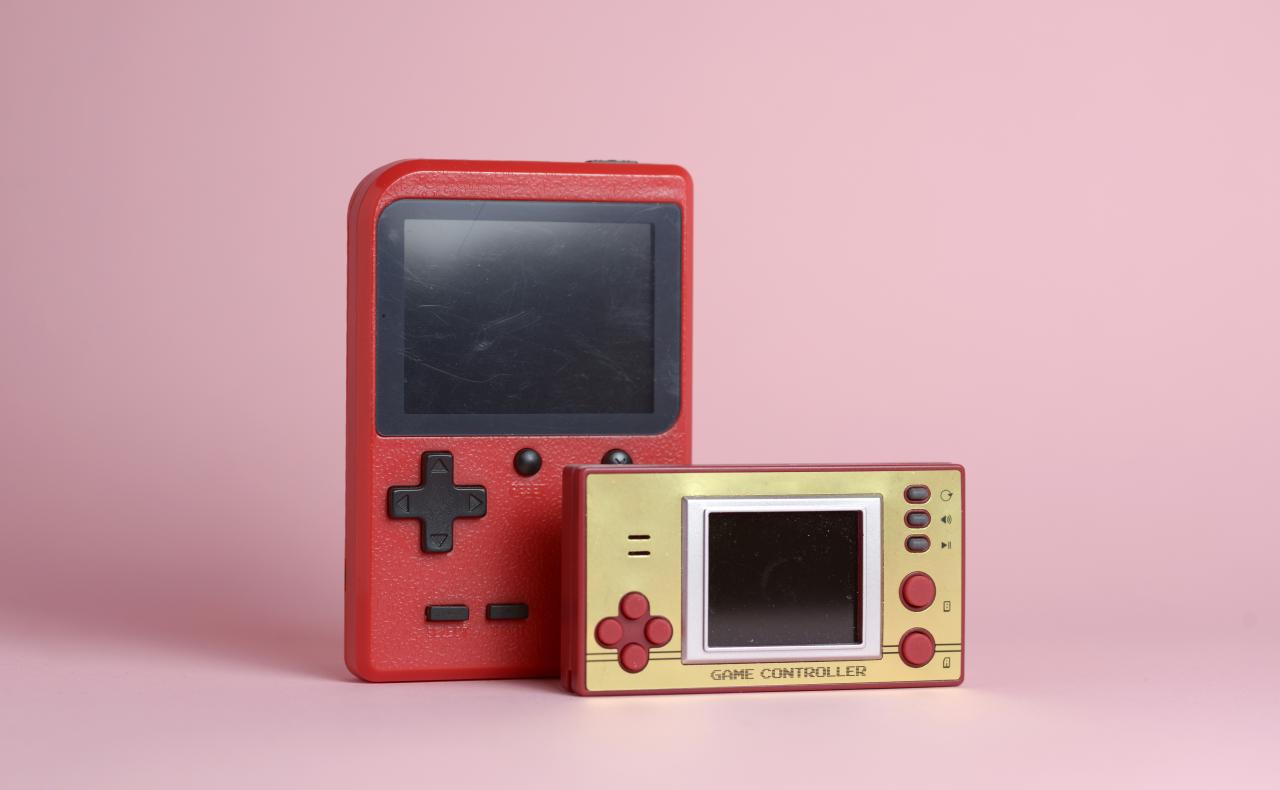
Right now, the undisputed king of the revival is the Y2K aesthetic. We’re talking iridescent fabrics, bubblegum pink everything, chunky shoes, and the charmingly clunky tech of the late 90s and early 2000s. And it’s about more than just a love for questionable fashion choices.
The Y2K trend is a direct throwback to when the internet was new, weird, and exciting. It was a digital frontier full of creative possibility, not the algorithm-driven, doom-scrolling machine it can often feel like today.
Those pixelated graphics and bubbly fonts are tied to that first explosion of digital optimism, and we’re nostalgic for that feeling of a more playful web.
It’s Everywhere You Look
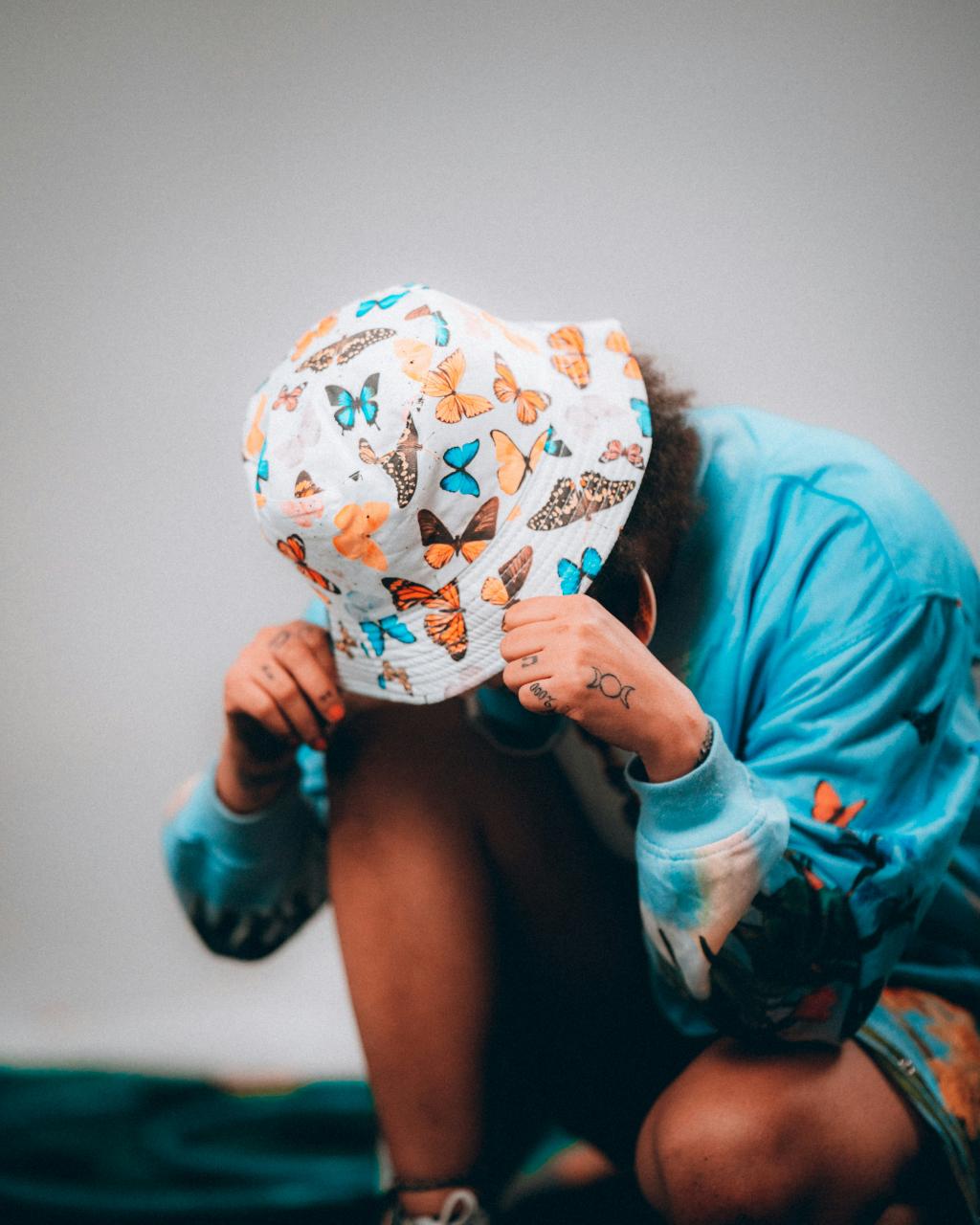
Once you start looking for it, you’ll see this isn’t just a niche trend. You see it in branding, where giants like Burger King and Pepsi are bringing back beloved old-school logos to feel more fun and familiar. You see it on social media, where graphics are full of grainy textures and bold, acid-bright colors.
Then there’s fashion, which has thoroughly raided the 90s closet—baggy jeans, bucket hats, and chunky sneakers aren’t just back, they’re everywhere.
Even our tech is looking backward, with foldable phones giving us the satisfying snap of a 2000s flip phone and photo apps making our pictures look like they were taken on a disposable camera. It’s even in our homes, with the curvy furniture and earthy tones of the 70s making our living rooms feel cozier.
Not a Copy, But a Remix
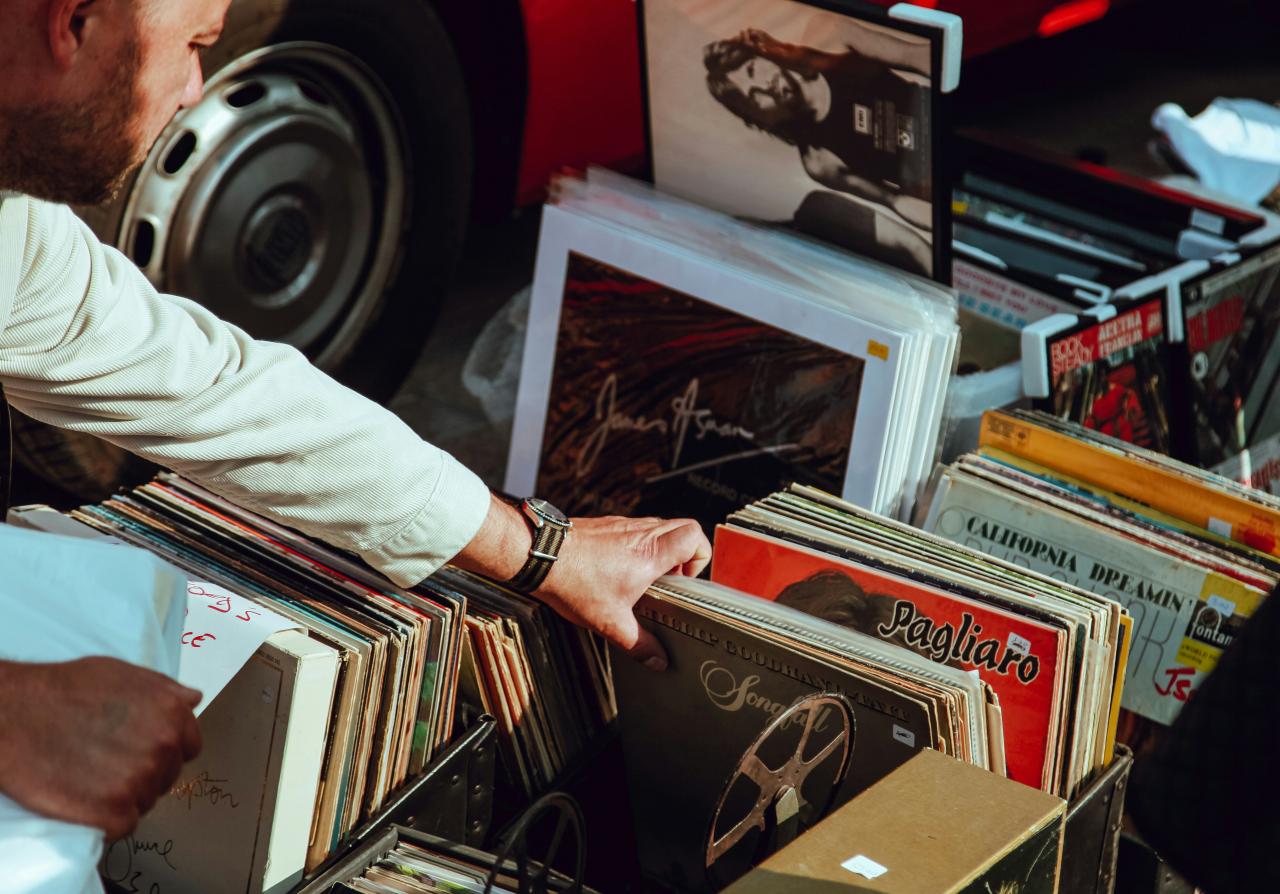
But here’s the key: this isn’t a simple history reenactment. The best retro design today is a modern remix. Designers are capturing the essence of past decades and giving them a 21st-century update.
A website might have a Y2K look, but it’s built to work perfectly on your phone in a way its 2001 inspiration never could. A clothing brand might bring back a ’90s shape, but it’s made with better, more sustainable materials. It’s about capturing the essence of the past while creating for the world we live in now.
Ultimately, this retro revival is more than a fad. It’s a snapshot of how we’re feeling—a collective desire for comfort, authenticity, and a human touch in a world that’s getting more automated by the day.
By looking back, we’re finding a way to ground ourselves, remembering that sometimes the best way to figure out where you’re going is to remember where you’ve been.