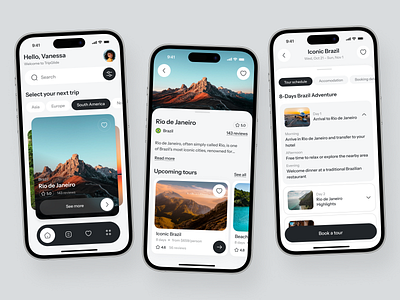

After the world was shaken by the rapid rise of AI and increasing visual complexity, UI/UX designers are now shifting toward a more intentional and meaningful approach. A survey by Lyssna reveals that 73% of designers believe AI, as a design collaborator, will have the greatest impact in 2026.
Meanwhile, 93% of designers have already adopted generative AI tools such as ChatGPT and Midjourney in their current workflows. However, 54% report that their clients want to follow AI trends without clearly understanding how to use them. This indicates a growing gap between current trends and what the market actually needs.
This gap is expected to give rise to the trend of “Intentional AI Design” in 2026, where the focus shifts from merely using tools to creating measurable value. Designers will no longer rely on AI solely to generate complex visuals but will instead adopt a more personalized and minimalistic anticipatory design approach.
In this trend, interfaces become more dynamic, and AI is no longer treated as an added feature, but rather as the intelligence behind a more intuitive, transparent, and human-centered user experience.
UX Trend Prediction 2026: The Era of AI Transparency

Arin Bhowmick, Chief Design Officer at SAP, states that 2026 will mark a turning point for user experience design. One of the biggest challenges lies in users’ hesitation when interacting with AI systems.
To this day, many users still struggle to understand how systems work or how algorithmic decisions are made. This represents a critical design gap that must be addressed.
Some products have begun integrating explainability features, where systems communicate their decisions in human-friendly language and allow users to correct AI outputs in real time.
By 2026, this approach will no longer be optional—it will become a standard requirement, adopted widely to build deeper user trust.
Agentic UX and the Human–Agent Ecosystem
Bhowmick also highlights that investment in AI agents will become a strategic priority. Many business leaders now prioritize AI agents because of their ability to deliver tangible value when implemented correctly.
This trend drives consolidation, where a primary agent coordinates multiple specialized agents based on task type and context. Advances in AI reasoning capabilities make this orchestration possible.
In this environment, designers are challenged to create human–agent collaboration experiences—managing agent workflows, preserving context across interactions, and determining when human intervention is necessary.
Interfaces Becoming More Dynamic and Personalized
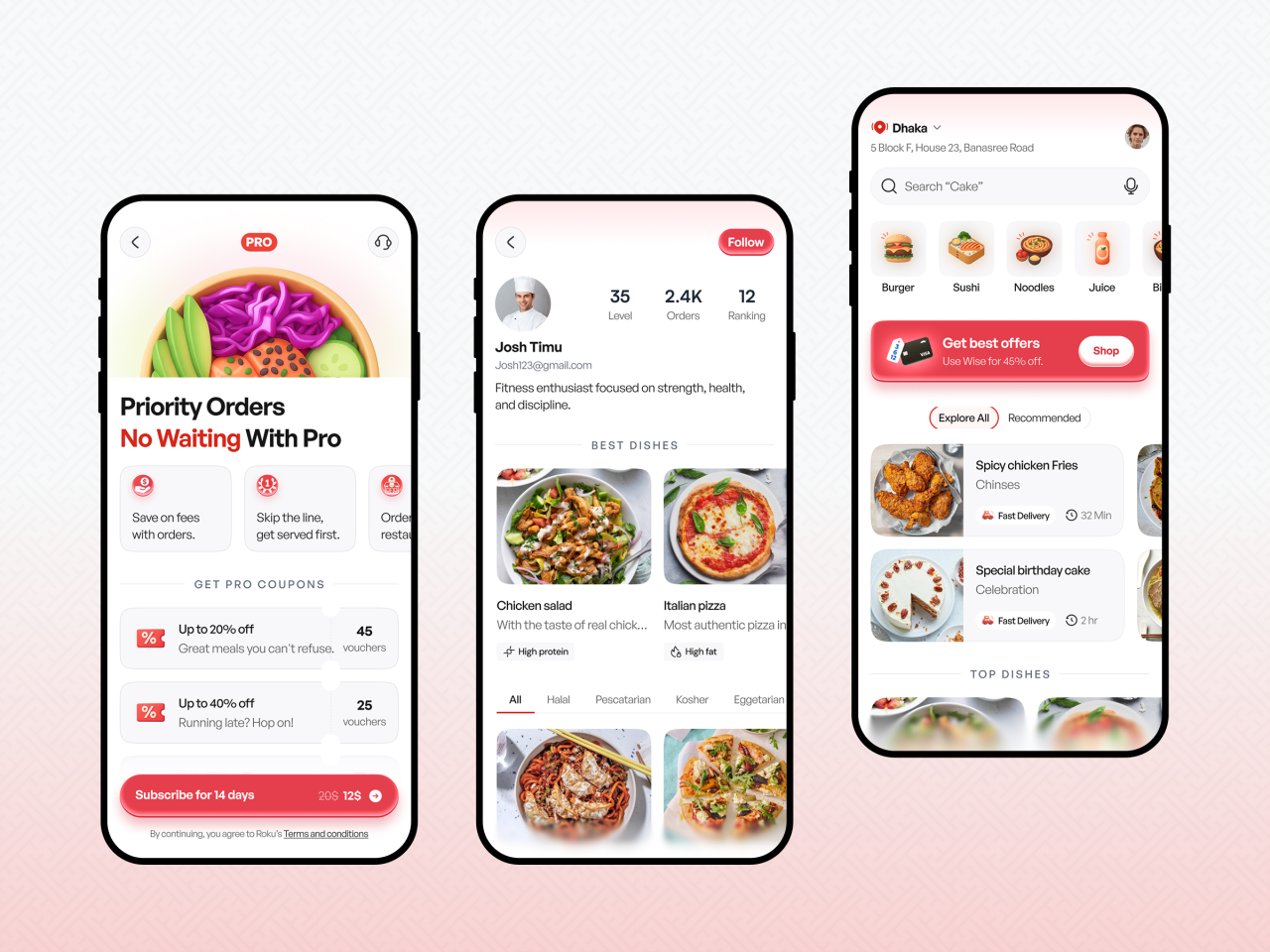
Large language models such as Gemini 3 Pro are now capable of generating interactive interfaces in real time, often matching the quality of human-designed interfaces. This shift is redefining the role of designers—from creators of static screens to architects of rules, constraints, and evaluation systems that guide how interfaces are dynamically generated to suit user needs.
Conversational and Multimodal Interfaces
The Siturs UX Studio Team predicts that conversational and multimodal interfaces will be among the most prominent UI trends in 2026. Multimodal design combines voice, text, and visuals based on context.
Not every situation requires the same interaction method: voice works best when it feels natural, text is ideal for precision, and visuals are most effective when speed matters.
This approach creates more intuitive experiences, improves accessibility, and accommodates users with diverse needs. In practice, systems can automatically adapt interaction modes—for example, switching to voice commands in hands-busy environments or relying on visuals in noisy settings—resulting in smoother and more effective user experiences.
Graphical User Interfaces Remain Essential
Although voice and conversational interfaces continue to grow in popularity, they still face limitations such as misinterpreted commands and inefficiency in complex tasks. In contrast, graphical interfaces provide clearer and more direct control through gestures like tapping, swiping, and dragging.
Spotify’s gesture-based navigation is a strong example, allowing users to manage music quickly and intuitively without verbal commands, reducing errors and improving usability.
Additionally, with guidelines such as WCAG 2.1, modern UI design now places accessibility at the core of the design process. Microsoft Teams, for instance, incorporates live captions, high-contrast modes, and full keyboard navigation without sacrificing visual appeal.
This demonstrates that inclusive design not only improves accessibility but also enhances usability and strengthens a product’s visual identity.