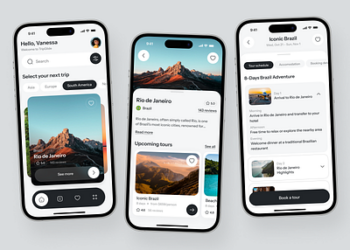

What does it really take to stand out as a UX designer in 2025? At its core, a UX designer’s job is to create seamless interactions between users and digital products, services, or technologies. The ultimate goal is to improve user satisfaction through intuitive and meaningful experiences.
To achieve this, designers need to conduct in-depth research, generate ideas, and develop solutions to user problems. This requires a multidisciplinary approach that combines psychology, business, market research, design, and technology. At the same time, a UX designer must ensure that the product they design not only meets user needs but also aligns with business goals.
It’s important to note that UX design is not just about interfaces — it’s about understanding human behavior, data, and context. Everything is created with the user in mind. A UX designer focuses on the user journey and how a product is structured to facilitate that journey effectively.
The Expanding Role of UX Designers
Today, the role of a UX designer goes far beyond creating visually appealing interfaces. A modern UX designer must have a comprehensive understanding of business, marketing, technology, and sales. They are expected to design experiences that not only look great but also drive engagement, sales, and customer satisfaction.
In an era where digital design is evolving rapidly through advances in AI, AR/VR, and other emerging technologies, the role of UX designers has grown beyond visual aesthetics. This means that the future of UX will likely become more specialized. As UX professionals develop deeper skills and capabilities across various areas, specialization will become increasingly essential.
Futuristic technologies like virtual reality (VR), zero UI products, and 3D interfaces will become more accessible and widely used over time — and we’re already seeing early examples today. Companies like IKEA, Target, and Home Depot have integrated augmented reality (AR) into their online shopping experiences.
And who could forget when Pokémon GO’s AR technology took over the world? These examples highlight the importance of understanding how to design for emerging technologies like AR and VR.
Take 3D interfaces or zero-UI devices, for instance — these products rely heavily on voice commands, gestures, eye movements, and emotional responses. UX designers must learn how to create intuitive experiences within these new interaction models.
Skills Every UX Designer Needs in 2025

The foundation of great UX design lies in research. As AI simplifies design processes, research becomes the key area where human insight still matters most — because it involves empathy, creativity, and contextual understanding that AI cannot replicate.
Research can include both quantitative and qualitative approaches to identify what users truly need and want.
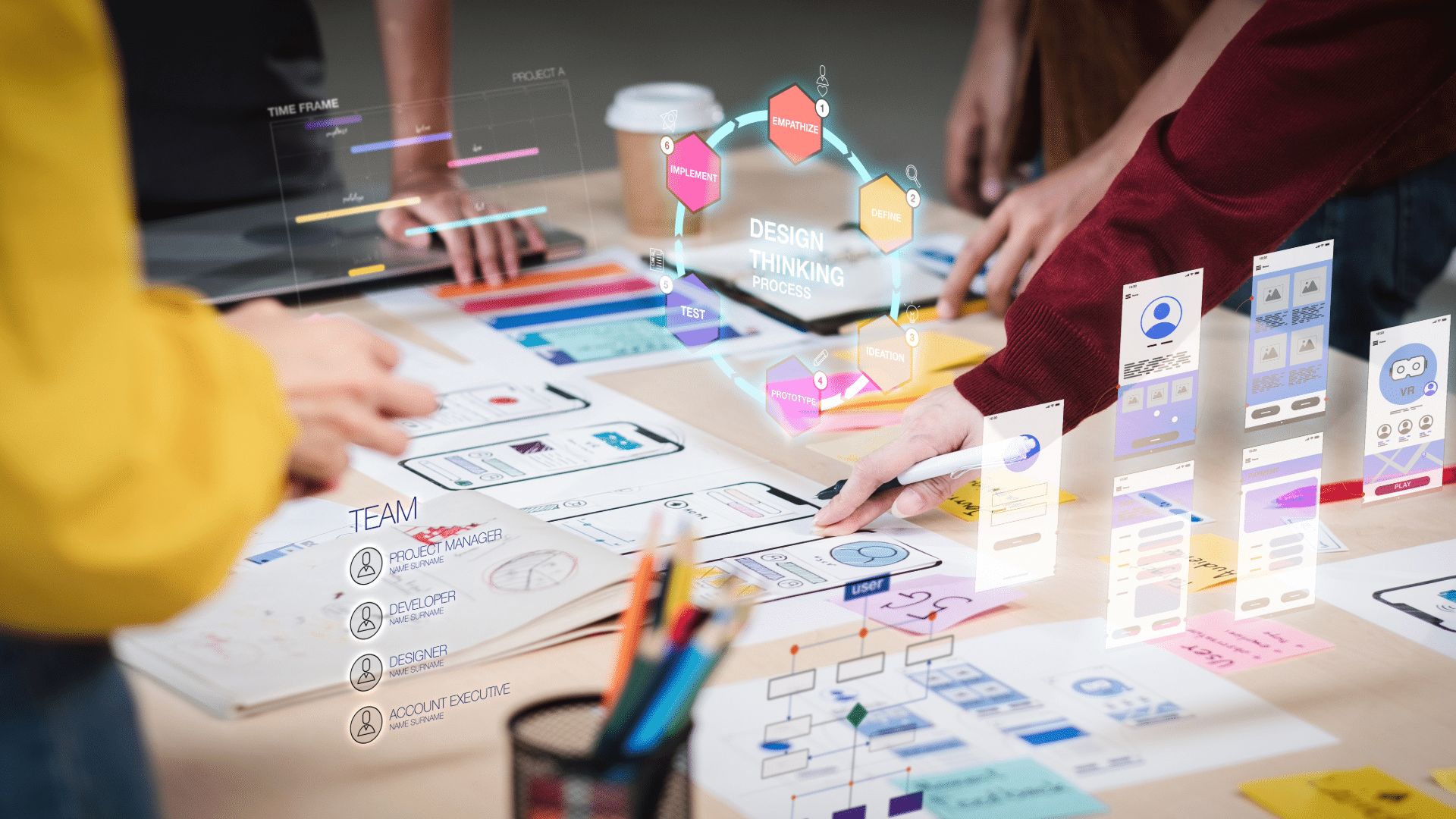
Another critical skill is problem identification. After conducting user research, a UX designer moves to the analysis phase — identifying, interpreting, and articulating user behaviors and challenges. Tools such as affinity diagrams, customer journey maps, and personas become essential during this stage.
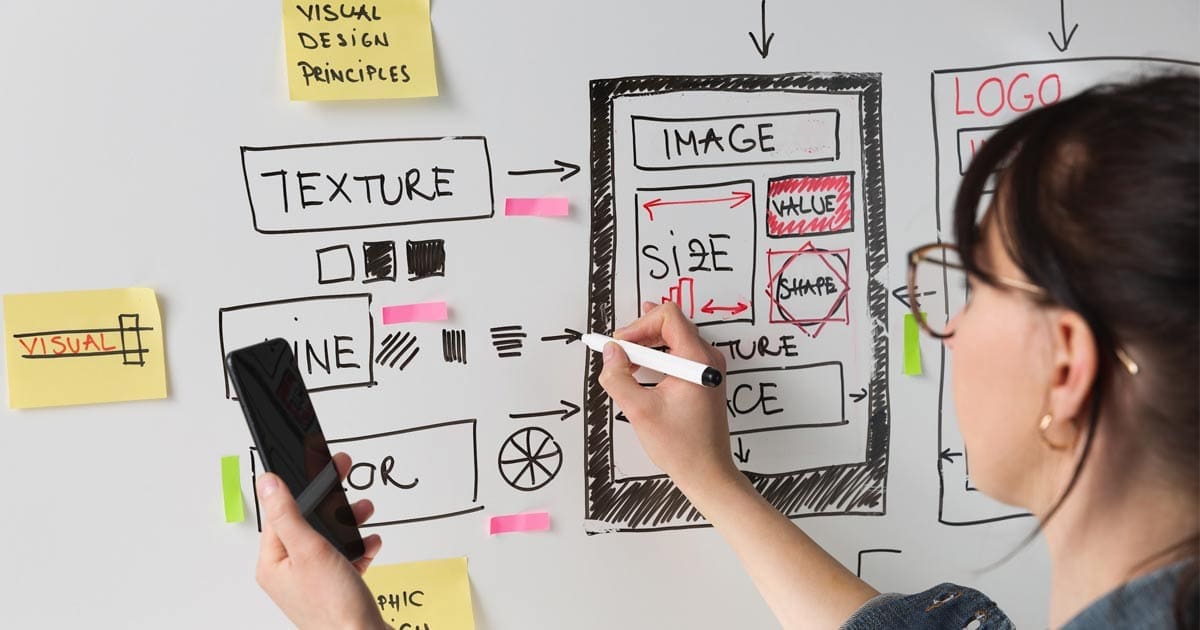
Once research findings are clear, designers move into the design process. This involves creating user flows, prototypes, and wireframes, which require technical proficiency with tools such as Figma, Sketch, Adobe XD, Figma AI, Uizard, and Galileo AI.
UX designers are also expected to have basic code literacy — especially in HTML and CSS — to effectively communicate with developers and ensure design feasibility. Prototypes help validate UX decisions and prevent costly design mistakes before development begins. Once the prototype is finalized, designers build wireframes and hand them off to developers for implementation.
The final stage is user testing. Validation doesn’t end once the wireframes are handed over — UX designers must continuously test and collect feedback to refine the user experience.
Why is feedback important? Because whether designing a new feature or improving an existing one, UX designers must regularly conduct A/B testing, surveys, polls, and usability studies to optimize and enhance user satisfaction.