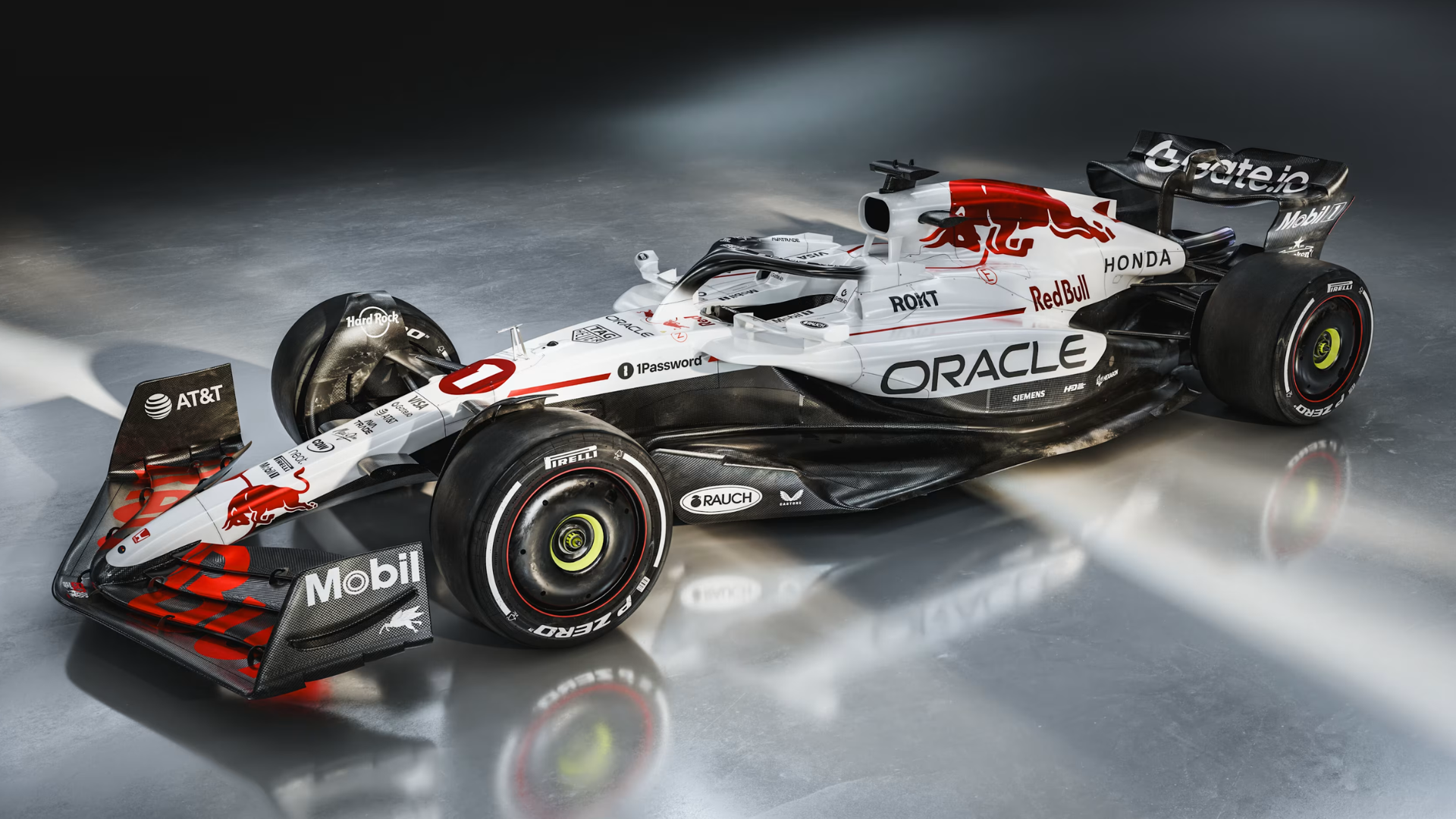

In his interview with Netflix’s documentary team Drive to Survive, Mattia Binotto explained that the reason Ferrari cars are red is because red is a color that people remember. In coloring books, children color their cars red. And adults love red because it conveys a sense of luxury.
From that, we can learn that color selection is extremely important—even on a global stage like Formula 1. Color, in this case referring to the livery (visual design), plays a crucial role in F1. A car livery is part of a team’s identity, holds value for sponsors, and can even influence on-track performance.
Liveries help fans recognize the cars speeding around the track at incredible velocity. But beyond recognition, they strengthen team identity, deepen fan engagement, and, when designed right, can cement a car’s place in history.
When Liveries Became Part of F1 Racing
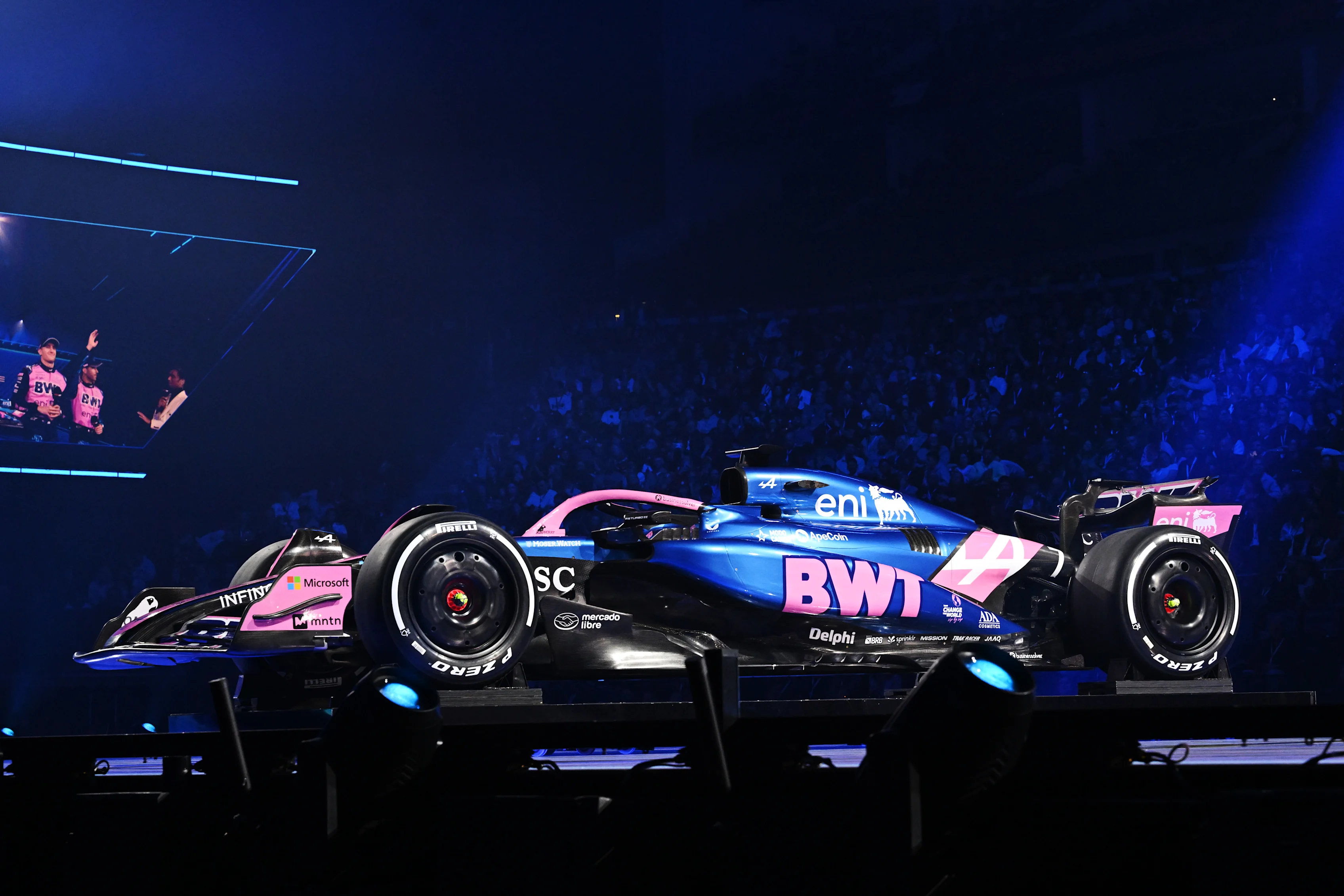
For newer Formula 1 fans, it might be surprising to learn that the colorful, sponsor-dominated car designs we see today weren’t always part of the sport’s identity.
In fact, from the early days of F1 until the 1960s, car appearances were based on national tradition and pride—not marketing aesthetics.
Teams opted for simple designs, relying on color schemes that were standardized according to their country of origin. This tradition created easily recognizable visual identities:
Italian cars always sported the bold and iconic Rosso Corsa—a racing red that dominated the tracks. Meanwhile, French cars were painted in the elegant bleu de France.
As often happens, Great Britain became the notable exception. Since red, blue, and white were already claimed by other nations, British teams innovated and adopted the now-universal British Racing Green—a deep, rich shade of green with a timeless, classic appeal.
However, everything changed dramatically in 1968. That year marked a monumental shift from national colors to a new commercial era. The ban on advertising was lifted, and the concept of the Formula One Sponsorship Livery was born.
Sponsor-Influenced Visual Design
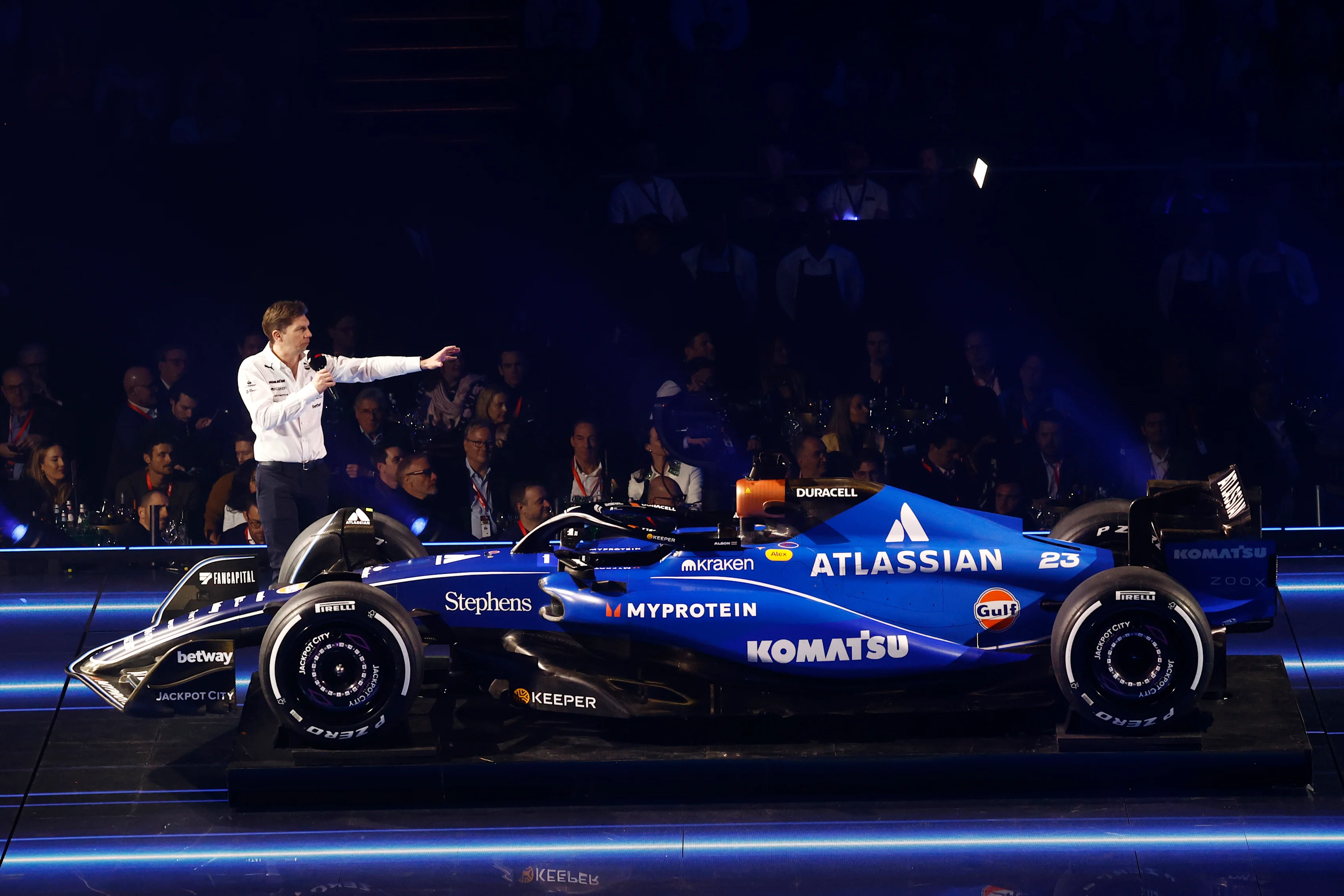
Major companies such as Marlboro and Gulf were pioneers of this new wave. The first sponsored car livery introduced entirely new color schemes, directly inspired by the sponsor brands themselves. This opened the floodgates for unlimited creativity—transforming race cars into moving billboards with artistic potential.
One of the most iconic examples was John Player Special. The cigarette brand was responsible for the legendary black-and-gold color palette. That first adorned the Lotus 72—a design still revered today.
As technology advanced and more aerodynamic car designs emerged in the 1980s, advertisers continued pushing the boundaries of visual creativity.
Interestingly, the modern era has brought a kind of homage to the past. There’s been a return to the classic colors deeply rooted in fans’ collective memory.
For example, the reappearance of British Racing Green on Aston Martin cars and the elegant silver paint on Mercedes—recalling the “Silver Arrows” era—serve as visual bridges linking racing history with cutting-edge technology.
How Liveries Influence Race Performance
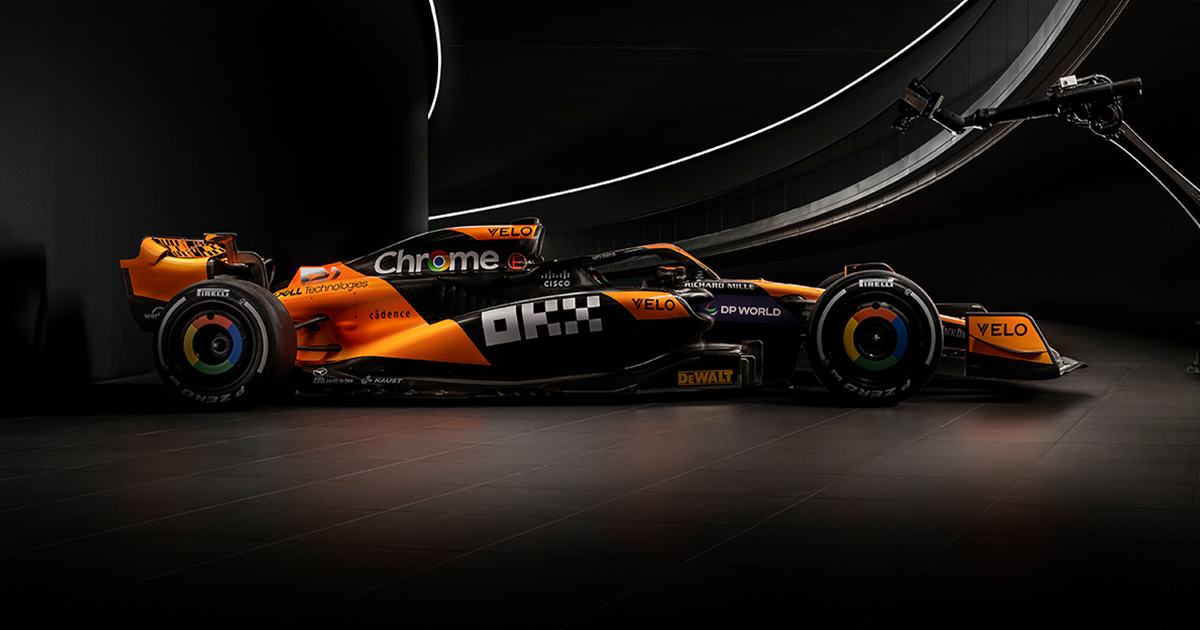
Ahead of the 2023 United States Grand Prix in Austin, Texas, Formula 1 teams were in a relentless race to optimize their cars’ speed. In a sport where victory can be decided by milliseconds, every ounce of weight matters—and engineers have found an unexpected way to reduce it: by removing paint.
Traditionally, teams have tried to make their cars lighter through structural adjustments, such as modifying chassis construction or sourcing lighter engine components. However, in recent seasons, a noticeable trend has emerged: many teams have deliberately stripped paint off their cars.
While the paint on an F1 car livery may only weigh around one to one and a half kilograms (roughly three pounds). Professional teams argue that even the smallest weight reduction can make a critical difference on the track.
This decision to minimize paint has led to a striking visual change across the grid. With less paint, the natural black color of the carbon fiber chassis is exposed. Giving the cars a darker, rawer look compared to those of previous years. This aesthetic shift reflects a deeper philosophy—teams’ continuous pursuit of the ultimate limits of technical performance.